
If you’re planning an adventure in Peru and comparing routes like the Inca Trail or the trail around Salkantay, you’ve probably asked yourself: What’s the real difference between trekking and hiking?
Although both involve walking in natural landscapes, they are not the same. The difference lies in duration, intensity, terrain, and level of preparation. Understanding this distinction is essential before booking a multi-day experience to Machu Picchu or choosing a shorter day tour in Cusco.
This guide explains what hiking is, what trekking is, which one is harder, and how to decide which option fits your physical level and travel goals.
Table of contents
- What is the main difference?
- What Is Hiking?
- What Is Trekking?
- Key Differences Between Hiking and Trekking
- Is Trekking Harder Than Hiking?
- Equipment Required: What Do You Really Need?
- The Best Hikes and Treks in the World
- Hiking and Trekking in Peru: What Experience Are You Looking For?
- Which One Is Right for You?
- Frequently Asked Questions About Trekking vs Hiking
- Conclusion
What is the main difference?
The fundamental difference between hiking and trekking lies in duration, intensity, and environment. Hiking is typically a recreational, single-day walk on marked trails using basic gear. Trekking, on the other hand, is a multi-day journey through remote or mountainous terrain that requires detailed planning, specialized equipment (often including camping gear), and greater physical endurance. In short, every trek includes hiking, but not every hike qualifies as a trek.
What Is Hiking?
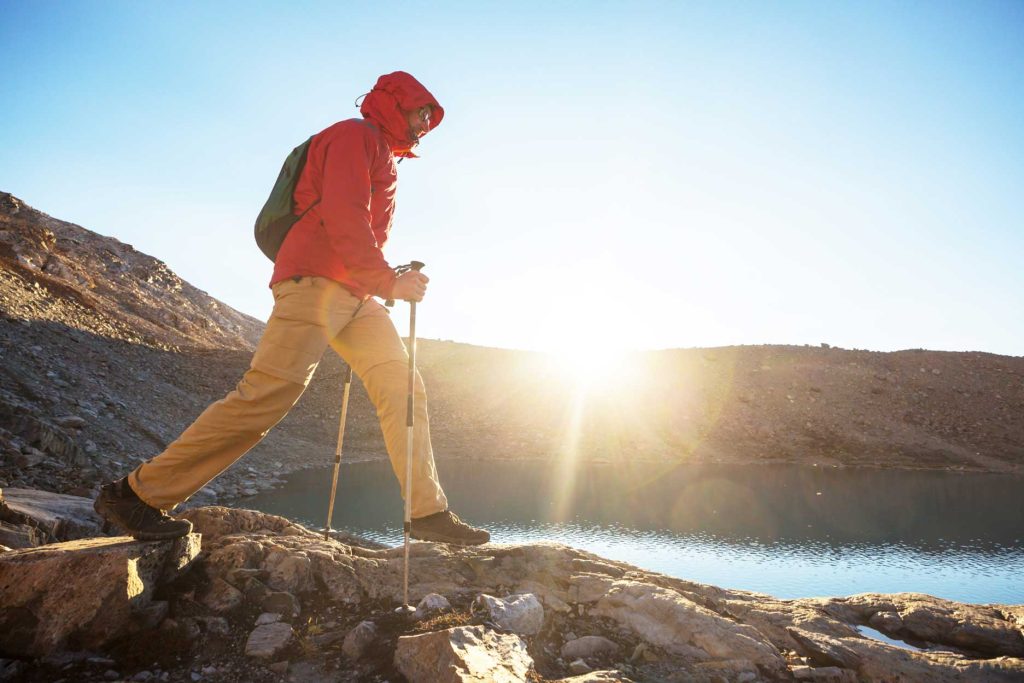
Hiking is a recreational outdoor activity that involves walking on natural trails, typically for a few hours or up to a full day. It is designed to be accessible, enjoyable, and physically active without requiring complex logistics or overnight planning.
If you’re wondering what is hiking exactly, think of it as an extended walk in nature — usually on marked or well-maintained paths — where the main goal is to enjoy the landscape, get exercise, and disconnect from routine.
Key Characteristics of Hiking
- Duration: Most hikes last between 2 and 8 hours. Some may extend over a weekend, but they usually allow you to return to your accommodation the same day.
- Terrain: Hiking typically takes place on established trails, in national parks, or in protected natural areas with clearly signposted routes. The terrain can range from flat forest paths to moderate mountain inclines, but it is generally accessible to beginners with basic fitness.
- Equipment: One of the main differences between the two activities is the gear. For hiking, you usually need lightweight hiking shoes or boots, a small daypack (15–25L), water and snacks, sun protection, and a light jacket, depending on the climate. There is no need for heavy camping gear or advanced navigation equipment in most cases.
- Objective: Connection with nature, recreational exercise, and scenic experience.
Hiking can be very rewarding and challenging depending on the route, altitude, and landscape, but it is geared toward those seeking a short-term adventure that is less physically demanding.
What Is Trekking?
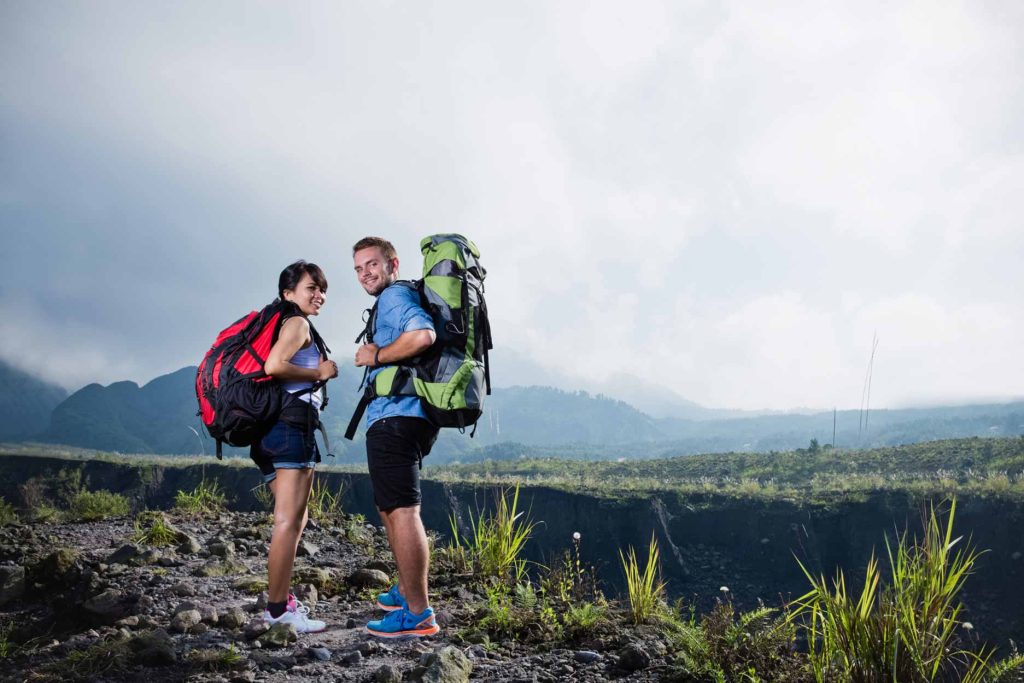
Trekking is a multi-day journey on foot through natural, often remote environments. Unlike a short recreational walk, trekking involves sustained physical effort over several consecutive days, frequently across mountainous or high-altitude terrain.
If you’re asking what is trekking, the simplest definition is this: it is an extended walking expedition that requires endurance, preparation, and often overnight stays in camps or remote lodges.
While hiking typically ends the same day, trekking continues — and that continuation changes everything.
Core Characteristics of Trekking:
- Duration: Most treks last between 2 and 7 days, though some can extend for weeks. The defining factor is not just distance, but consecutive days of effort.
- Terrain: Trekking often includes navigating mountain passes, remote valleys, high-altitude environments, and uneven, rocky, or unpaved paths, where rapid weather variation is common. In Peru, for example, many treks cross areas of the Andes that rise well above 13,000 feet.
- Equipment Requirements: Trekking requires more gear than hiking, including trekking boots with ankle support, a larger technical backpack, layered clothing, trekking poles, a sleeping bag (if camping), weather protection, a hydration system, and nutritious food. On guided routes like the Inca Trail, porters can carry much of the heavy gear, while on routes like Salkantay, the amount you carry will depend on the format.
- Physical level: Greater endurance, ability to carry heavy loads, and basic navigation skills.
- Objective: Extended adventure and in-depth exploration of remote landscapes and cultures.
Unlike hiking, trekking does not end at the end of the day and does not always follow well-defined routes; it may require camping or traveling without external assistance for long periods of time.
Key Differences Between Hiking and Trekking
Understanding the contrast between the two becomes easier when we break it down into clear structural differences. While both activities involve walking in nature, their intensity, duration, and preparation requirements vary significantly.
Below is a structured comparison designed to answer the most searched question: What is the hiking vs trekking difference?
| Hiking | Trekking |
| Duration | |
| Usually a few hours to 1 day | Multi-day (2–7+ days) |
| Terrain | |
| Marked, maintained trails | Remote, mountainous, high-altitude terrain |
| Physical Demand | |
| Light to moderate | Moderate to high |
| Altitude Exposure | |
| Optional | Often significant (especially in the Andes) |
| Equipment | |
| Basic daypack, hiking shoes | Technical gear, larger backpack, camping gear |
| Logistics | |
| Minimal planning | Requires structured planning |
| Accommodation | |
| Return same day | Camping or mountain lodges |
| Goal | |
| Recreation and scenery | Journey, endurance, achievement |
This table summarizes the essence of the definitions: trekking is a longer, more demanding, and more self-sufficient version of hiking.
Observation of communities on social media
In hiking and adventure communities, such as Reddit, TripAdvisor, and Facebook, the difference between the two terms is also debated. Many agree that trekking is not simply a long hike but a more complete experience that may involve additional skills such as navigation, survival skills, and greater physical endurance.
Some users even point out that culturally, the use of “hiking” or “trekking” varies depending on the location, but the essential difference lies in the duration, terrain, and preparation.
Is Trekking Harder Than Hiking?
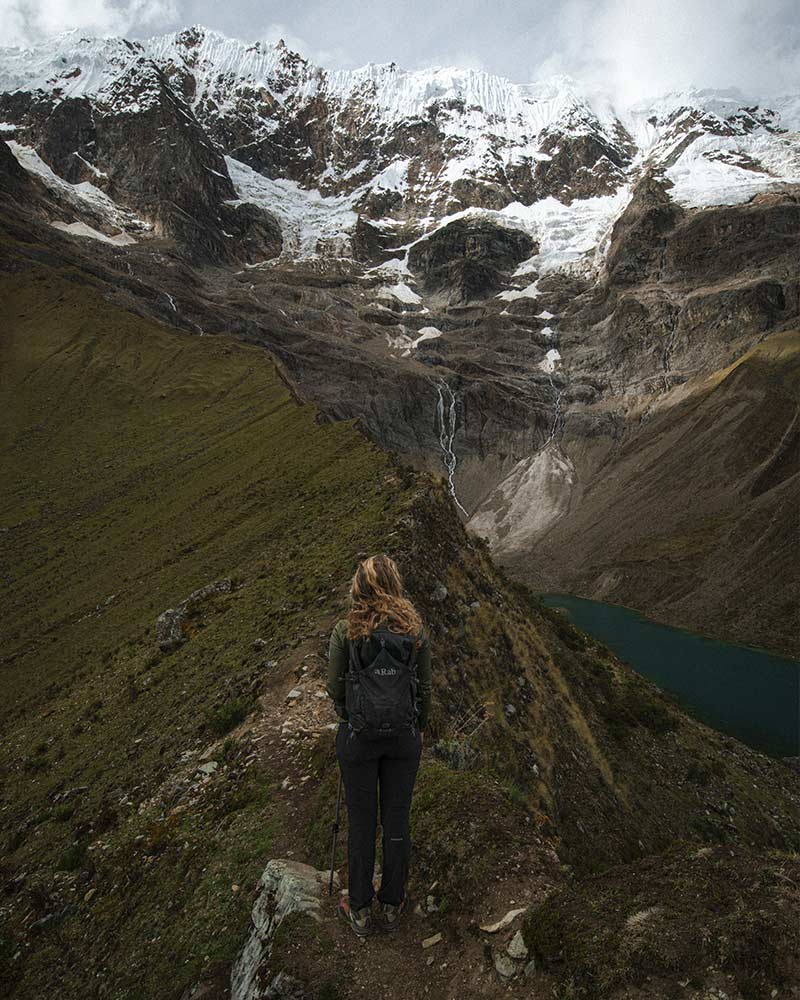
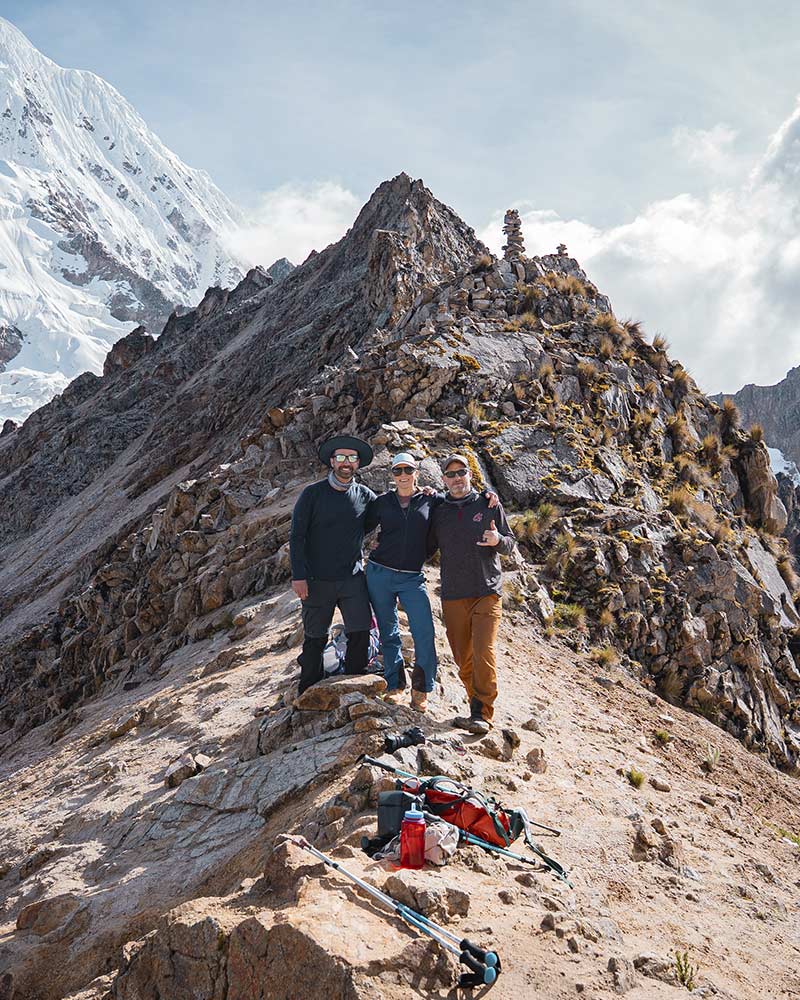
Yes, trekking is generally considered harder than hiking, but the overall difficulty is ultimately determined by a combination of factors, including the terrain, altitude, duration, and the level of preparation; the distinction isn’t merely about distance, but rather the cumulative physical effort required.
Duration and accumulation of effort
Hiking is a short-term activity, generally limited to a few hours or a day. In contrast, trekking involves walking for several consecutive days, with accumulated fatigue being a distinctive and key factor. This fatigue is the progressive physical and mental exhaustion that builds up day after day, making each day more demanding than the last and reducing the body’s ability to recover.
The challenge of trekking is intensified by external conditions, such as the difficulty of getting restful sleep when sleeping in tents and low nighttime temperatures, which exacerbate fatigue. It is this combination of sustained physical exertion over multiple days, lack of optimal rest, and exposure to weather conditions that makes trekking a more demanding and difficult activity than hiking.
Terrain and surroundings
Hiking usually takes place on:
- Marked trails
- Natural parks
- Accessible routes
Trekking usually includes:
- Uneven terrain
- Mountain passes
- Sudden changes in weather
- Remote sections without constant signage
In Peru:
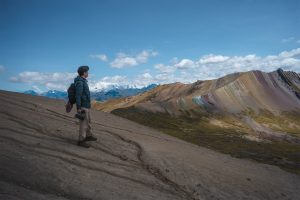
- A hike could be a day trip to the Rainbow Mountain, Vinicunca.
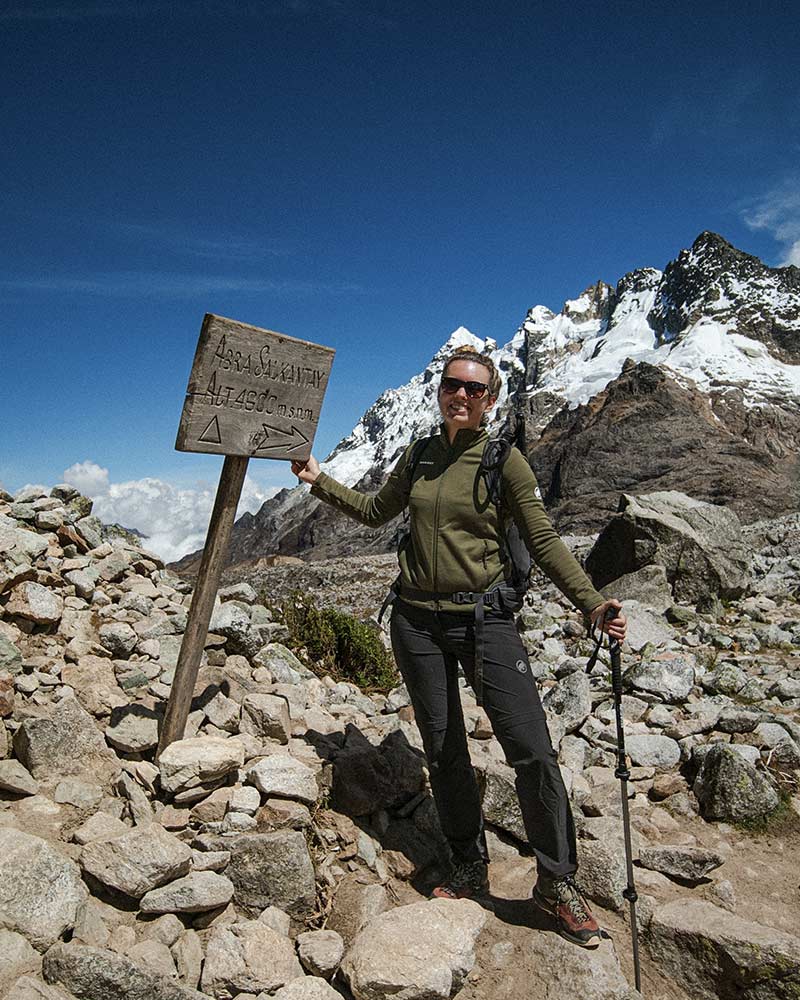
- Trekking could be the famous Inca Trail or the route to the snow-capped Salkantay.
Altitude (a determining factor in Peru)
This is where travelers’ greatest fear comes into play. In destinations such as Cusco, at 3,400 meters (11,155 feet), trekking involves:
- Less oxygen
- Greater cardiovascular exertion
- The need for prior acclimatization
Hiking at low altitudes may be accessible to beginners. Trekking in the Andes requires physical preparation and adaptation.
So… Is trekking too difficult for me?
It depends on:
- Your current physical condition
- Previous mountain experience
- Time available
- Ability to adapt to altitude
It is important to know that most treks in the Andes are challenging. With adequate physical preparation and good health, you will enjoy them to the fullest. To optimize your performance, check out our complete training guide for trekking in Cusco before your trip.
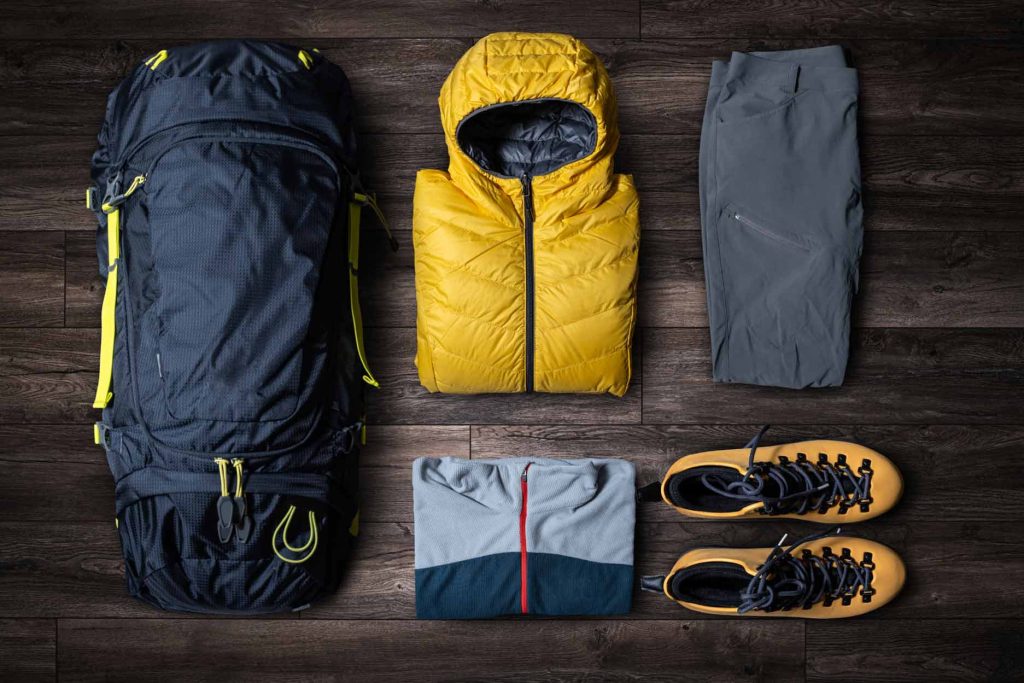
Equipment Required: What Do You Really Need?
The difference is not only visible in duration or destination — it is also reflected in the gear you use.
While day hikes usually require light and basic equipment, trekking demands greater durability, planning, and protection—especially in challenging environments like the Andean highlands.
This section compares the essential gear for both activities and explains why each item matters depending on the type of adventure you choose.
Trekking Shoes vs Hiking Shoes
According to professional mountain guides, footwear is one of the most critical decisions you’ll make. The right choice can mean the difference between a comfortable experience and an exhausting journey with the risk of injury.
Hiking Shoes or Hiking Boots
- Lighter weight — ideal for long single-day walks
- Flexible and comfortable sole
- Good ventilation for moderate climates
- Designed for well-marked trails
Hiking shoes or boots are perfect if your route is short, the terrain is defined, and you are not carrying significant extra weight. They are well-suited for day hikes near Cusco or clearly marked valley trails
Recommended brands: Merrell, Columbia, Keen, and Hoka (Sky line)
Trekking Shoes or Trekking Boots
- More resistant and durable for demanding terrain
- Stronger ankle support to reduce sprains
- Rigid, deeper outsole for mud, rocks, and uneven surfaces
- Built to support heavier backpacks and extended days
Choosing the right footwear becomes especially important when walking for several consecutive days. The added structure and support help protect joints and muscles from cumulative fatigue.
They are recommended for multi-day routes such as the trek to Salkantay or the classic Inca Trail.
Recommended brands: Salomon, La Sportiva, Lowa, and Mammut
Even if you choose the best brand, remember that the sole is the soul of the shoe. For trekking in areas such as Cusco or Salkantay, I recommend always looking for the Vibram® seal on the sole; it is the international guarantee that you won’t slip on wet rocks.
To make sure you have everything required for your mountain experience — and avoid forgetting key items in your backpack — read our complete trekking preparation guide and pack like an expert before heading toward Machu Picchu.
Hiking Staff vs Trekking Pole
Trekking poles and hiking staffs do more than improve balance. They help distribute weight between the lower and upper body, reduce joint stress, and increase efficiency on inclined terrain.
The difference between these two tools mainly comes down to technical use and stability.
Recreational Use (Hiking)
- Some hikers use a single staff for additional support
- Helpful on moderate trails or relatively even terrain
- Provides basic stability and light assistance on ascents
For shorter hikes, a single hiking staff may be enough.
Technical Use (Trekking)
- Used in pairs to optimize stability and symmetry
- Significantly reduce knee load during long descents
- Improve propulsion during demanding ascents
- Increase control on uneven terrain or while carrying weight
In multi-day trekking in Peru, using two trekking poles enhances rhythm, posture, and energy efficiency — especially at altitude.
On mountain routes such as the Salkantay Trek adventure, where elevation changes are dramatic and terrain varies constantly, trekking poles are not a luxury — they are a physical efficiency tool and a key element in fatigue prevention.
Backpack, Layers, and Accessories: What Changes Between Hiking and Trekking?
| Hiking | Trekking |
| Backpack | |
| Lightweight (15–25L) | Technical (40–65L) |
| Clothing | |
| Light layers | Full layering system |
| Weather Protection | |
| Optional depending on climate | Essential (rain, cold, wind) |
| Food | |
| Ready-to-eat energy snacks (nuts, bars, fresh fruit) | Dehydrated or freeze-dried meals |
| Extra Equipment | |
| Minimal or none | Camping gear, cooking system, technical equipment |
| Insulation / Sleeping Pad | |
| Not necessary | Recommended at altitude |
The right equipment is essential not only for comfort but also for safety and efficiency during trekking.
Unlike light hiking, trekking — especially in mountainous environments such as the Peruvian Andes — requires more robust gear, careful planning, and proper physical preparation to handle terrain and weather challenges.
To ensure a successful journey and reduce the risk of injury, it is fundamental to combine key elements:
- Specialized technical footwear
- Trekking poles for support and stability
- A strategic layering system for intelligent temperature regulation
- A backpack designed for optimal weight distribution
Physical preparation is equally important. Multi-day routes demand stamina for sustained effort, exposure to the weather, and adaptation to altitude. In short, equipment and preparation go hand in hand.
The Best Hikes and Treks in the World
Understanding the hiking vs trekking difference becomes even clearer when looking at some of the world’s most iconic routes.
What Are the Best Hiking Routes in the World?
Choosing the best hiking trails depends on your fitness level, the type of landscape you prefer, and the experience you are looking for. Some stand out for their scenic beauty, others for their diversity of ecosystems, and others for the challenge they present. Here are some of the most renowned trails worldwide:
- Appalachian Trail (United States)
Stretching over 2,190 miles (3,500 km), it crosses the eastern United States from Georgia to Maine. It is one of the most iconic long-distance trails in the world, passing through forests, mountain ranges, and small rural towns.
While sections of the Appalachian Trail are popular hiking routes, completing the entire trail becomes a long-distance trekking expedition.
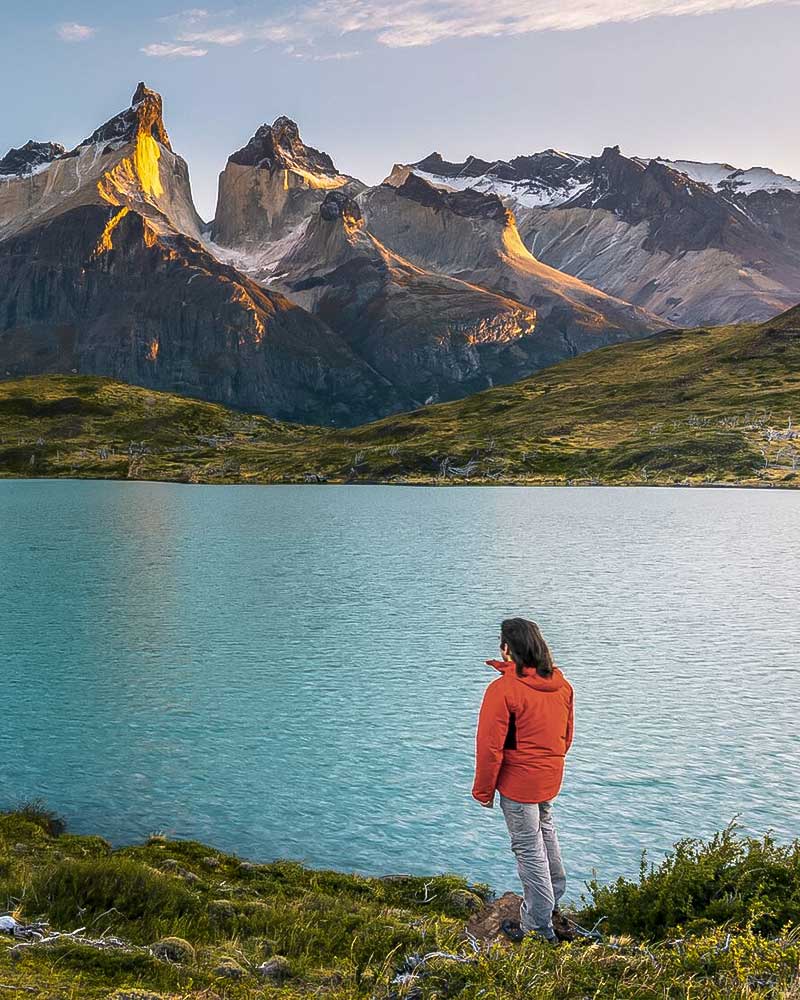
- Torres del Paine National Park (Chile)
Famous for its “W” Circuit, this Patagonian destination combines glaciers, turquoise lakes, and dramatic granite towers. It offers structured hiking routes with extraordinary scenery. - Fitz Roy (Argentina)
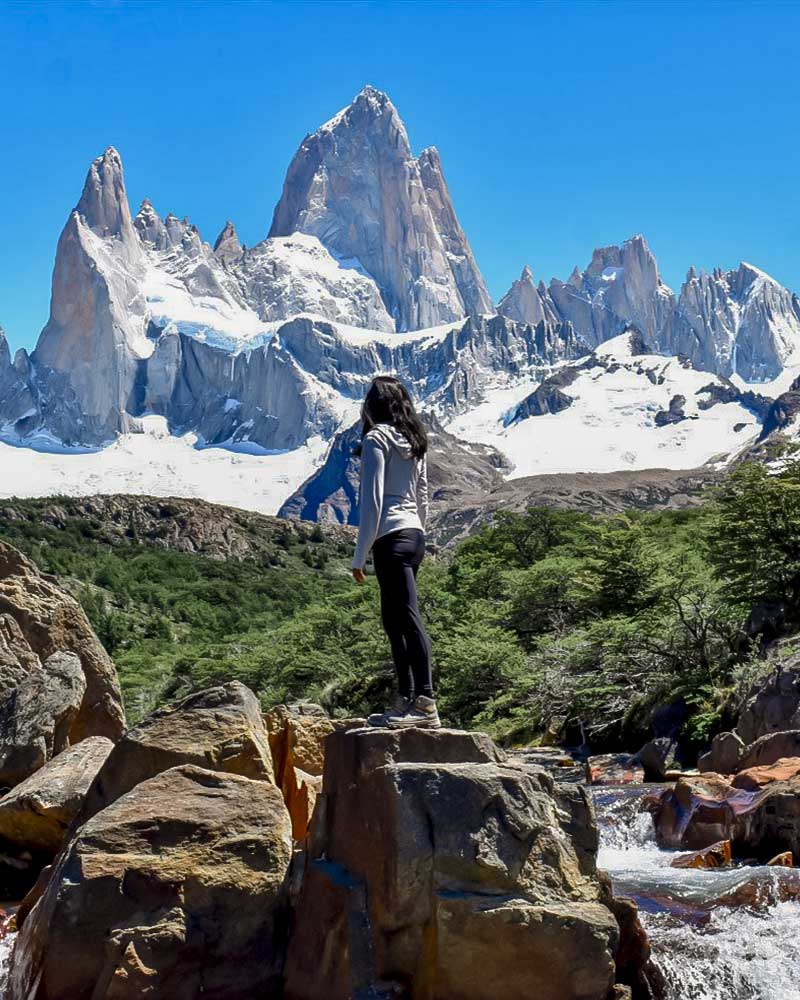
Located near El Chaltén in Patagonia, this area offers panoramic hikes toward one of the most photogenic peaks in South America. - Cinque Terre National Park (Italy)
Connects five coastal villages along the Mediterranean Sea, blending ocean views, vineyards, and traditional architecture. - Tongariro Alpine Crossing (New Zealand)
A volcanic route famous for its emerald lakes and dramatic landscapes that inspired cinematic scenery.
These routes represent the essence of hiking: defined trails, relatively accessible infrastructure, and the opportunity to enjoy extraordinary landscapes without committing to weeks of extreme expedition travel.
Most Impressive Trekking Routes in the World
When we talk about trekking, the level of commitment increases: multiple consecutive days, greater physical demand, and more remote environments.
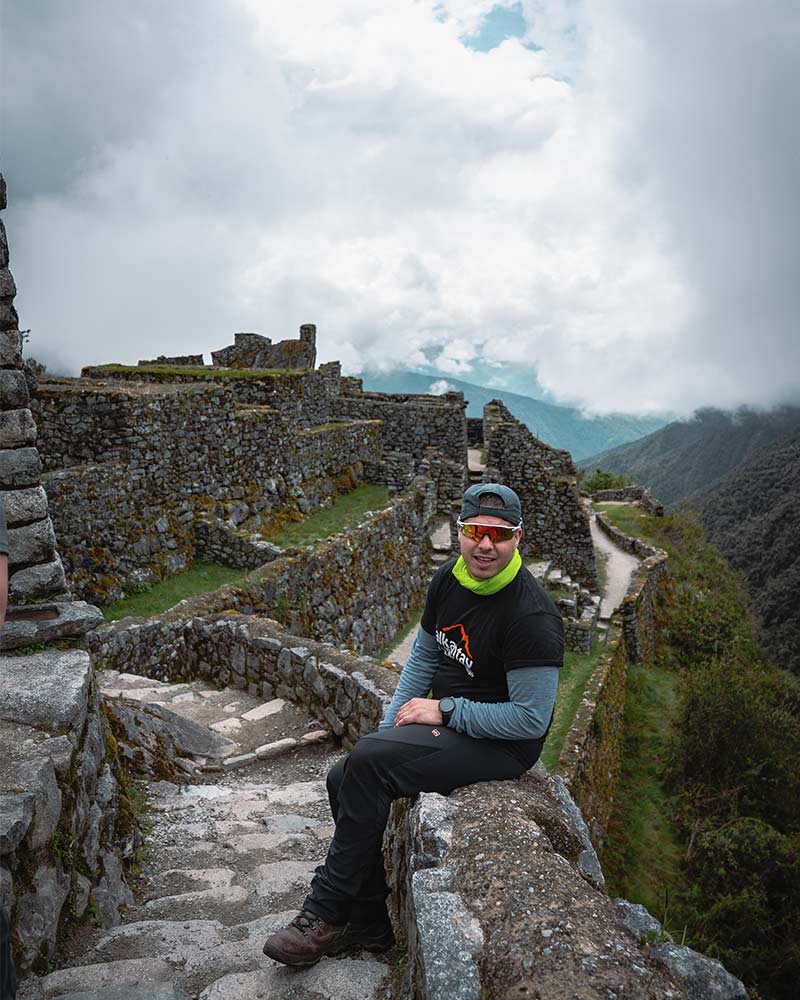
- Inca Trail (Peru)
The ancestral route that leads to Machu Picchu combines history, archaeology, and high-mountain scenery. It is one of the most iconic multi-day trekking experiences in South America. - Everest Base Camp (Nepal)
One of the world’s most legendary trekking journeys leading to the base of the highest peak on Earth. - Annapurna Circuit (Nepal)
Encircles the Annapurna mountain range, crossing traditional villages and dramatic high-altitude landscapes. - GR20 (France)
Also considered a trekking route due to its technical difficulty and extended duration across rugged alpine terrain. - Grande Traversée des Alpes (Europe)
Crosses the Alps through multiple regions, blending alpine culture, high-mountain landscapes, and extended trekking stages.
Hiking and Trekking in Peru: What Experience Are You Looking For?
Peru is one of the few destinations in the world where you can experience both hiking and trekking in settings that combine high mountains, living culture, and dramatic Andean landscapes.
Applied to the Peruvian context, the difference is clear:
- Hiking allows you to explore and return the same day.
- Trekking invites you to embark on a complete journey toward an iconic destination such as Machu Picchu.
Hiking in Peru
Is typically a single-day activity, with accessible routes, defined trails, and lower logistical complexity.
Examples of hiking experiences in the Cusco region include:
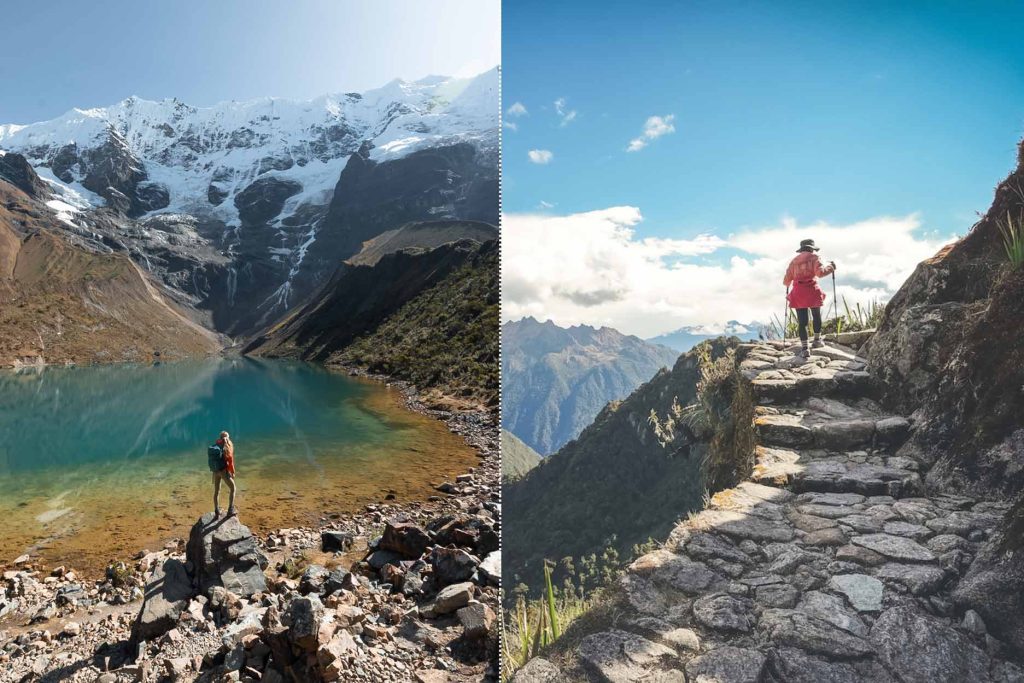
- Day tours to Laguna Humantay
- Scenic routes such as Pallay Punchu
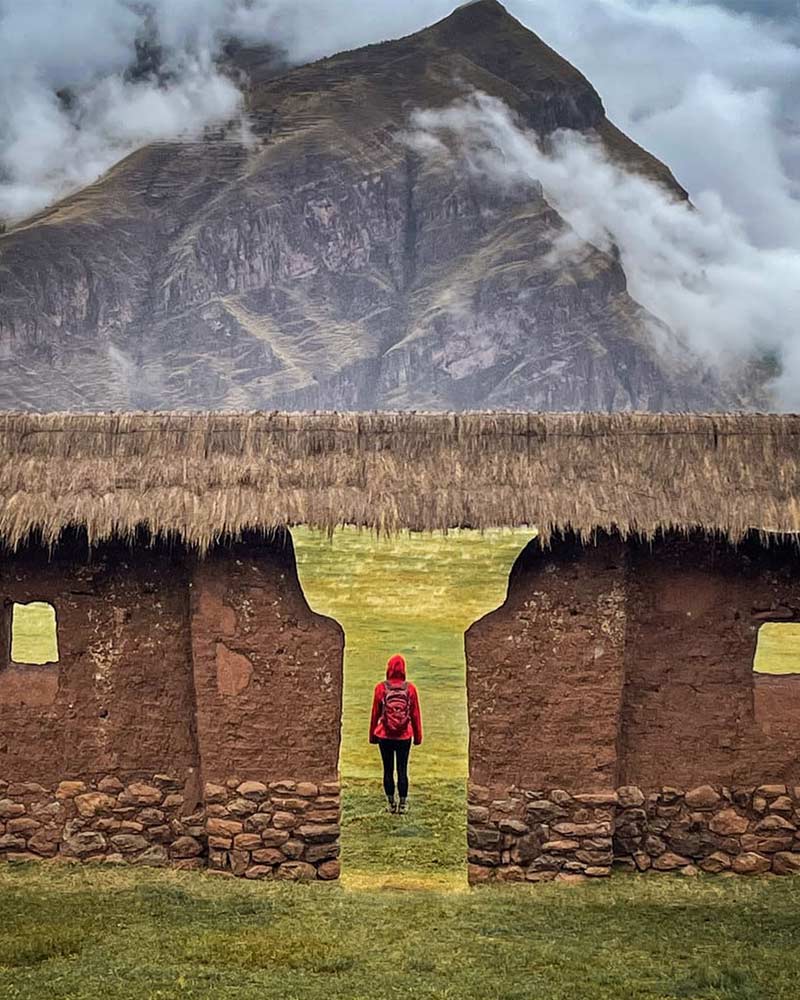
- Short archaeological hikes like Huchuy Qosqo
This type of experience aligns with the international definition of hiking: shorter walks on established trails, light equipment, and same-day return.
Perfect if:
- You have limited time in your itinerary
- You prefer moderate activity
- You are traveling with family
- You are in the acclimatization phase
- You do not want to carry a heavy backpack
Hiking is ideal as a first contact with altitude and the Andean landscape.
Trekking in Peru
Trekking in Peru represents a more immersive and physically demanding experience.
Among the most emblematic routes are:
- Inca trail
- Salkantay Trek
- Other multi-day Andean routes
This perfectly fits the definition of trekking:
- Multi-day journey
- Remote or mountainous terrain
- Greater physical demand
- More complex planning and logistics
In Peru, trekking typically involves:
- Walking 3 to 5 consecutive days
- Crossing mountain passes above 13,000 feet (4,000 meters)
- Adapting to strong temperature variations
- Sleeping in campsites or mountain lodges
And most importantly: arriving on foot to Machu Picchu — an emotional and transformative experience.
To minimize the impact of altitude on your body and fully enjoy your hikes and treks in the Andes, we recommend reading our complete acclimatization guide before starting your adventure in Cusco. Proper preparation makes all the difference.
Which One Is Right for You?
The best choice depends on your fitness level, available time, and the type of adventure you want to experience.
Choose Hiking If:
- You have limited time
- You prefer comfort and flexibility
- You have no previous mountain experience
- You are traveling with children or older adults
- You would rather not camp
- You are beginning your acclimatization process
Hiking allows you to enjoy the Andes without a significant physical commitment. It’s ideal for scenic exploration while maintaining flexibility in your itinerary.
Choose Trekking If:
- You are looking for a personal challenge
- You want a deeper, more transformative experience
- You are motivated to arrive on foot at Machu Picchu
- You have good physical condition
- You can dedicate several consecutive days to walking
- You are drawn to cultural and natural immersion
Trekking is not just a long walk. It is a journey that combines endurance, connection with nature, and personal achievement — especially on routes such as the Inca Trail or the Salkantay trek.
Frequently Asked Questions About Trekking vs Hiking
The distinction lies in purpose, terrain, and duration:
Walking: Informal movement on foot, often in urban or flat environments.
Hiking: Longer walks in natural settings, usually on established trails.
Trekking: Multi-day journeys through difficult or remote terrain, often requiring specialized equipment.
Every trek includes hiking, but not every hike qualifies as trekking.
The word “trek” historically referred to long migrations, most notably the 19th-century movement known as the Great Trek in southern Africa. Over time, the term evolved to describe extended journeys on foot.
In modern outdoor terminology, trekking refers to long-distance, multi-day walking trips through nature.
Hiking is generally more suitable for beginners. Shorter routes allow you to build endurance and confidence without committing to multi-day expeditions.
Trekking requires more preparation, stronger fitness, and often altitude adaptation. Beginners visiting Peru, for example, may start with day hikes near Cusco before attempting routes like the Inca Trail.
Hiking offers both physical and psychological benefits. It improves cardiovascular endurance, strengthens muscles, enhances balance, and builds mental resilience.
It also provides access to extraordinary landscapes — such as scenic trails in the Sacred Valley or day routes in the Andes — without requiring extended expedition logistics.
The most common trekking injuries include: sprains and strains (especially ankles), knee overuse injuries, heat exhaustion, hypothermia in cold environments and blisters.
Proper footwear, hydration, gradual acclimatization (especially in Cusco), and responsible pacing significantly reduce these risks.
A widely accepted recommendation is the 20% rule, which suggests that a loaded backpack should not exceed approximately 20% of your body weight.
For example, if you weigh 70 kg (154 lbs), your pack should ideally remain under 14 kg (30 lbs). This guideline helps reduce joint strain and fatigue during multi-day journeys.
Essential trekking equipment includes: proper trekking boots, moisture-wicking layered clothing, backpack with hip support, trekking poles, hydration system, weather protection (waterproof jacket, insulation layer) and navigation tools or guided support.
For high-altitude routes such as the Salkantay Trek, layering and cold-weather preparation are especially important
Conclusion
Hiking and trekking are not the same — and in Peru, the difference becomes even more noticeable due to altitude, terrain, and duration.
Hiking is ideal if you are looking for half-day or full-day walks with lower physical demand and a return to your accommodation the same day.
Trekking, on the other hand, involves consecutive days in the mountains, greater preparation, adaptation to altitude in Cusco, and sustained physical effort — as seen on routes leading to Machu Picchu through trails such as the Inca Trail or the challenging Salkantay route.
The decision depends on your time, fitness level, and desired level of adventure: If you want a flexible, scenic experience — choose hiking. If you are seeking personal growth and the unforgettable feeling of arriving at Machu Picchu on foot, decide on trekking.
Both offer extraordinary ways to experience the Andes. The right one is simply the one that aligns with your journey.


Leave A Reply