
You’ve seen the photos. The stone steps. The cloud forest. The Sun Gate glows at sunrise. And now you’re stuck on the big question: 2 Day vs 4 Day Inca Trail — which one is actually right for you?
This is the classic dilemma. You want the magic. You want the history. You want to walk into Machu Picchu the way the Incas intended. But do you go all in with four days on the trail? Or keep it tight with the Short Inca Trail to Machu Picchu?
Both routes follow sections of the original Inca network. Both end at the same legendary citadel. But the experience? It’s pretty different.
In this guide, we’re breaking down everything, including the difficulty, time, permits, scenery, ruins, logistics, and who each trek is actually best for. If you’ve been searching online for “Inca Trail 2 Day vs 4 Day” and getting nowhere, this is the clarity you’ve been looking for.
Table of contents
- Where Is The Inca Trail In Peru?
- Classic Inca Trail – 4 Days / 3 Nights
- Short Inca Trail – 2 Days / 1 Night
- Classic Inca Trail Vs Short Inca Trail Key Differences
- Which Inca Trail Is Better For You?
- Inca Trail Permits: What You Need To Know
- Practical Tips Before Choosing Your Inca Trail
- Frequently Asked Questions About The Inca Trail
- So, 2 Day Vs 4 Day Inca Trail?
Where Is The Inca Trail In Peru?
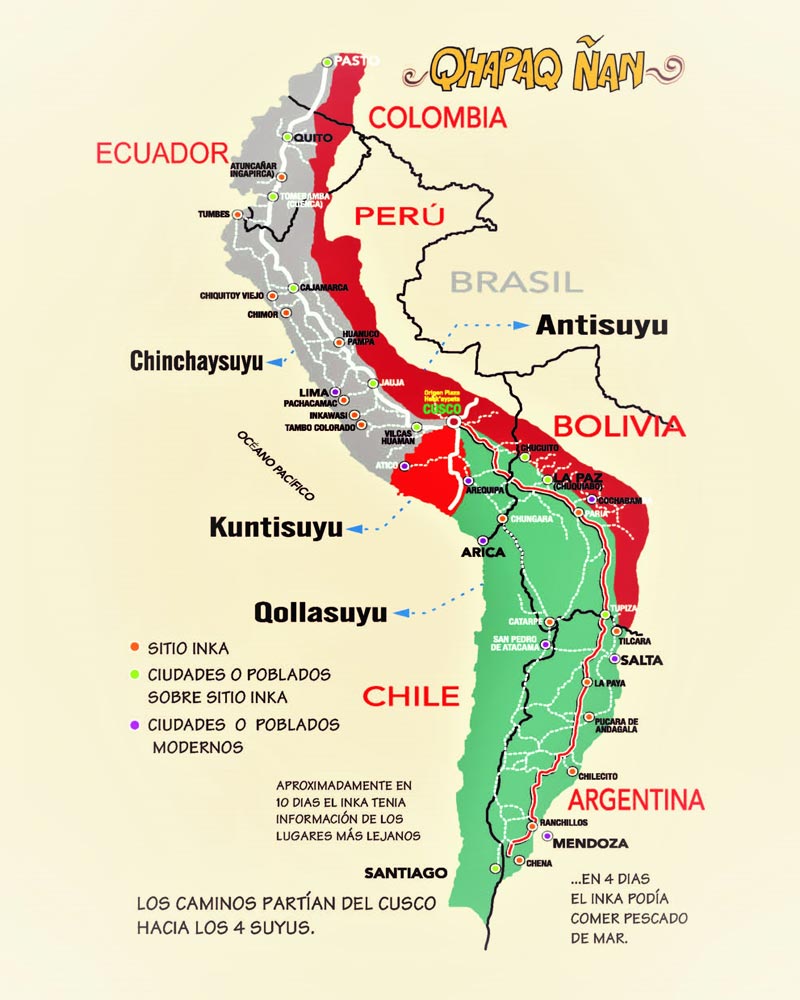
The Inca Trail is located in southern Peru, in the Andes near Cusco, inside the protected Machu Picchu Historic Sanctuary. It’s part of the ancient Inca road system, but the protected section hikers use leads directly to Machu Picchu.
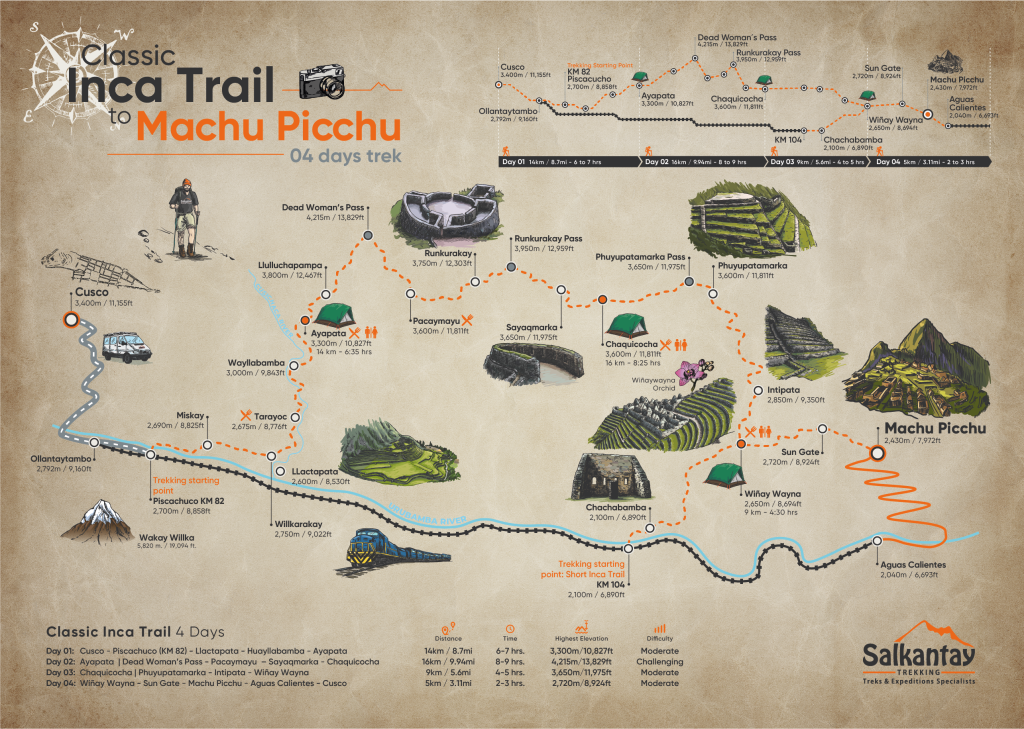
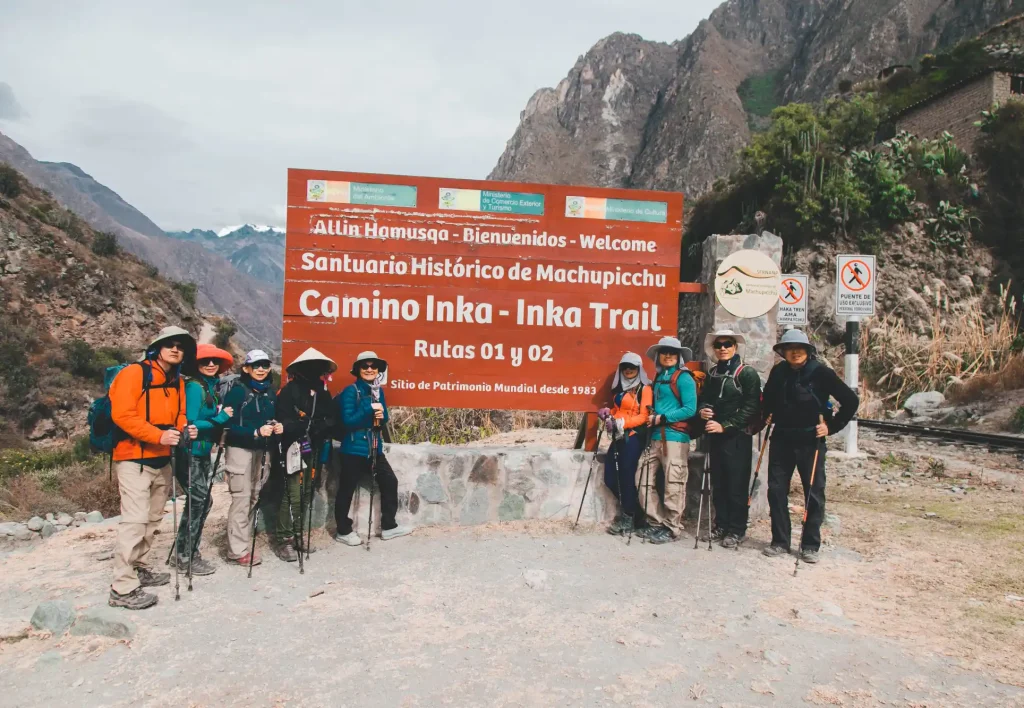
The Classic Inca Trail starts at Kilometer 82 near Ollantaytambo and crosses mountain passes and cloud forest over four days.
The Short Inca Trail begins at Kilometer 104, much closer to Machu Picchu, following the final stretch of the same original stone pathway.
So when you’re comparing the Inca Trail 2 Day vs 4 Day, you’re not choosing different places. You’re choosing how much of the route you want to walk.
Classic Inca Trail – 4 Days / 3 Nights
This is the full experience. The one you’ve probably imagined.
Distance: 27.3 miles (44 km)
Duration: 4 days / 3 nights
Difficulty: Moderate to challenging
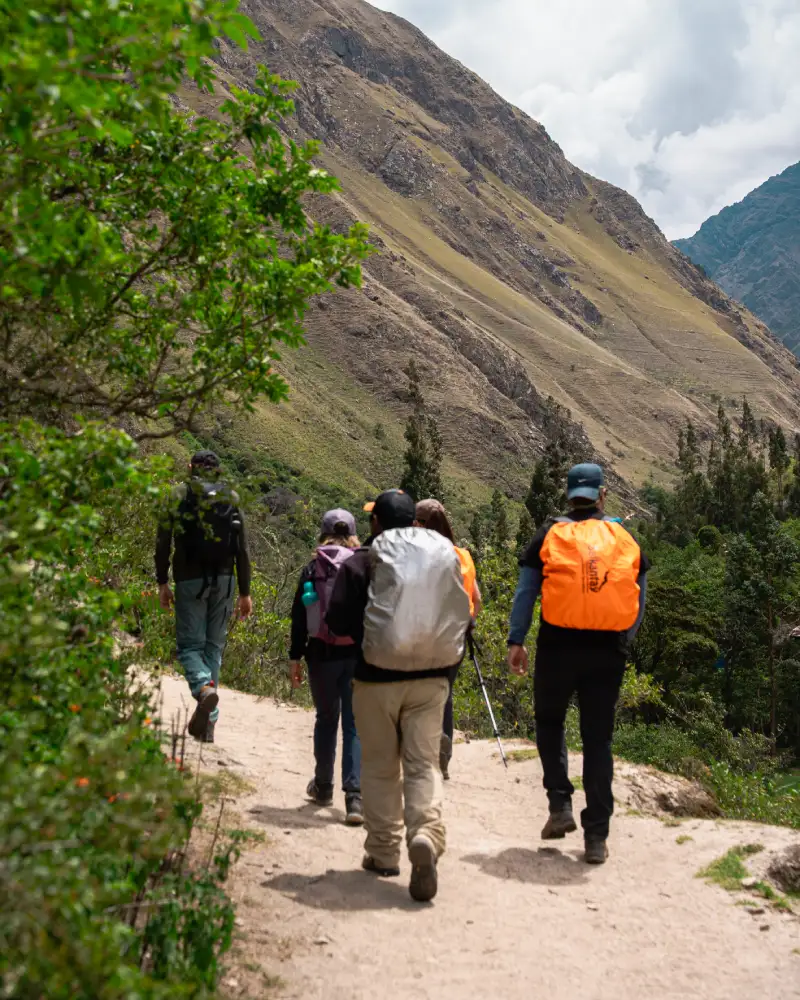
Over four days, you cross high mountain passes, descend into a cloud forest, and visit multiple archaeological sites that most tourists never see.
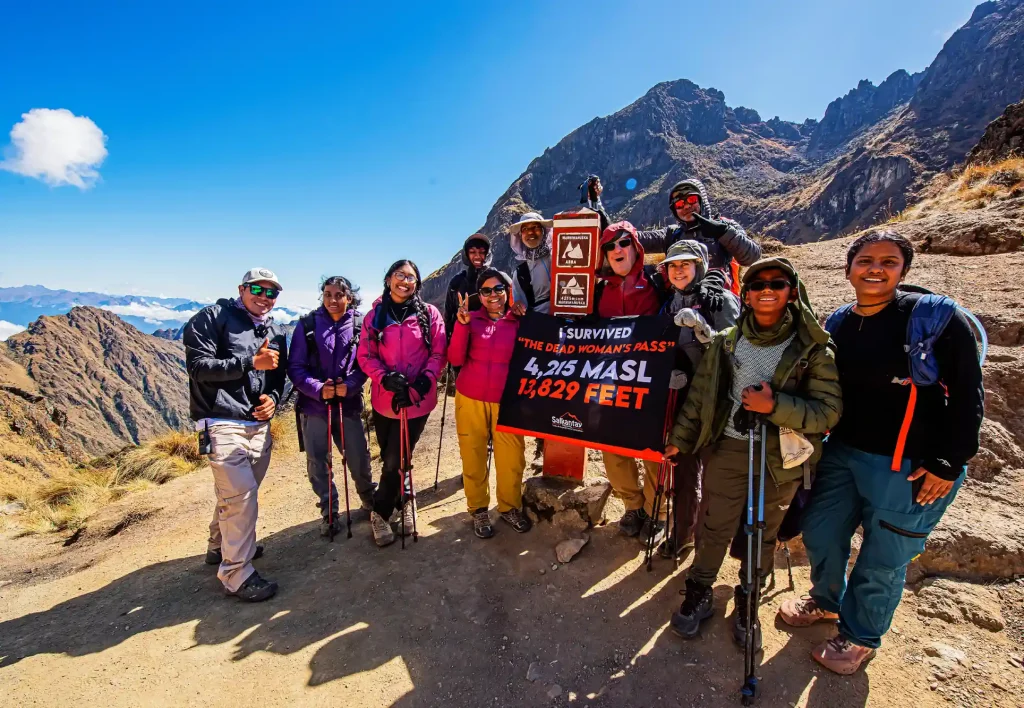
You’ll hike over Dead Woman’s Pass (the highest point at 13,829 ft / 4,215 m), explore ruins like Wiñay Wayna, and camp under the stars in the Andes. It’s physical. It’s emotional. It’s wildly rewarding.
You don’t just arrive at Machu Picchu. You earn it every step of the way.
The Classic Inca Trail is ideal if:
- You want the full trekking adventure
- You enjoy multi-day hikes
- You want maximum archaeological immersion
- You’re physically prepared for long hiking days
- You booked your permits early (they sell out fast)
For travelers who want to go all in, the 4-day route delivers depth, changing scenery, and a stronger sense of journey. It feels like stepping back in time.
Short Inca Trail – 2 Days / 1 Night
Now let’s talk about the Short Inca Trail.
Distance: Around 7.5 miles (12 km)
Duration: 2 days / 1 night
Difficulty: Moderate but manageable
If you’re comparing 2 Day Inca Trail vs 4 Day options because of time constraints, this is your answer.
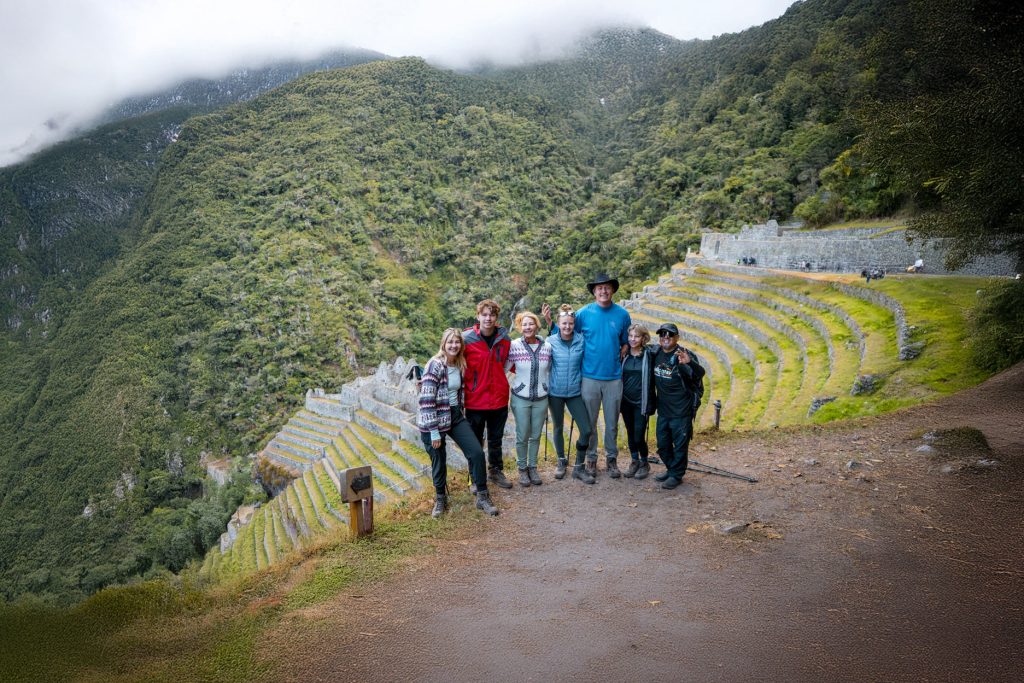
You still hike part of the original Inca pathway. You still visit impressive ruins like Wiñay Wayna. And yes, you still get to see Machu Picchu from the Sun Gate.
The big difference? You skip the high mountain passes and multi-day camping. Instead, you hike one strong day, stay overnight in a hotel near Machu Picchu, and visit the citadel the following morning.
The Short Inca Trail is ideal if:
- You’re short on time
- You’re not used to multi-day trekking
- You want comfort at night
- You booked late and Classic permits are sold out
- You’re traveling with family or mixed fitness levels
It’s a condensed cultural hit without the four-day physical demand.
Classic Inca Trail Vs Short Inca Trail Key Differences
Let’s break down the real comparison to help you make that final decision.
| Classic Inca Trail | Short Inca Trail |
| Difficulty Level: Challenging. High altitude passes. Long daily hikes. | Difficulty Level: Moderate. One solid hiking day. No extreme passes. |
| Time & Distance: 4 days, 27.3 miles. | Time & Distance: 2 days, 7.5 miles. |
| Permits & Availability: Permits are more competitive and often sell out months in advance (especially May through September). 500 are available each day, but 300 of those are reserved for guides and support staff, leaving just 200 for trekkers. | Permits & Availability: Permits are also limited (250 a day) but slightly easier to secure last-minute, though “last minute” is still a risk you take in peak season. |
| Price: $850 with Salkantay Trekking. The Classic generally costs more due to more days on the trail, camping logistics, porters and chefs, and extra meals. | Price: $595 with Salkantay Trekking. The Short is more compact, so it’s typically less expensive, though it still includes guided hiking and entry to Machu Picchu and a hotel in Aguas Calientes. |
| Overall Experience: Immersive, physically demanding, transformational. | Overall Experience: Focused, efficient, culturally rich but less intense. |
| Ideal For: Adventure lovers, serious hikers, and travelers who want the full Andean story. | Ideal For: Time-conscious travelers, first-time hikers in Peru, and those who prefer hotel stays over camping. |
Remember: Both the Classic Inca Trail and Short Inca Trail are closed in February.
Both routes follow the original stone pathway, and both give you the experience of Machu Picchu from the Sun Gate. The real decision isn’t about which is better but about which version of the journey fits you best.
Which Inca Trail Is Better For You?
Let’s make this simple.
If You Have Limited Time
Choose the Short Inca Trail to Machu Picchu. You’ll still hike ancient stone paths and witness the citadel from the Sun Gate, just without the multi-day commitment.
If You Want The Full Trekking Experience
Go Classic. Four days in the Andes is an experience like no other. The landscapes evolve daily, and the build-up to Machu Picchu feels earned.
If It’s Your First Time Hiking In Peru
The Short Inca Trail is a safe, rewarding introduction to high-altitude trekking.
If Permits Are Limited
Sometimes the decision isn’t always in your hands. If Classic permits are sold out, the Short route is an excellent alternative that still delivers that iconic entrance.
Inca Trail Permits: What You Need To Know
The Peruvian government strictly regulates access to protect the trail.
- Classic Inca Trail: Around 500 permits per day (including staff and porters).
- Short Inca Trail: Fewer daily spots but separate allocation.
Permits are tied to your passport and cannot be transferred. Once they’re gone, they’re gone, so if you’re told there are none left on your preferred travel date, you’ll have to try another time.
Peak season (May–September) sells out months ahead. If you’re serious about walking the Inca Trail, booking early isn’t optional. It’s essential.
Practical Tips Before Choosing Your Inca Trail
Best Time Of Year To Hike
Dry season (May to September) offers clearer skies and more stable weather.
Rainy season (November to March) means fewer crowds but muddier trails. Don’t forget the trail is closed by the government in February.
Physical Preparation
For the Classic, train with incline hikes and cardio a few weeks before arrival.
For the Short, general fitness is usually enough, but altitude can surprise you.
To help you acclimatize for both routes:
- Arrive in Cusco at least two days early.
- Drink plenty of water.
- Enjoy light activity with plenty of breaks.
- Eat light and simple, avoiding heavy, greasy meals.
- Limit coffee and stay away from alcohol for the first few days.
- Use medication if needed.
What To Pack
- Broken-in hiking boots
- Layers (mornings are cold, afternoons are warm)
- Rain jacket (always)
- Sunscreen, hat, and sunglasses
- Personal meds
- Reusable water bottle
Overpacking is a rookie move, so keep it light. You’ll find a comprehensive packing list on the Salkantay Trekking website.
Booking In Advance
This isn’t the type of trip you plan casually.
Permits, train logistics, and Machu Picchu entry slots are all crucial. Booking with a reputable operator means your permits, timing, transport, and guides and their team are handled smoothly.
If walking the original Inca path matters to you, secure your spot early.

Frequently Asked Questions About The Inca Trail
The Classic is 4 days of trekking with camping and multiple mountain passes. The Short is 2 days, less distance, and includes a hotel stay.
The Classic Inca Trail is significantly more demanding due to altitude and distance.
If archaeology and immersion matter deeply to you, yes. The Classic includes more remote sites along the trail.
4–6 months ahead for peak season (June to August). At minimum, 2–3 months for the shoulder months (April and October) and the rest of the dry season (May and September).
So, 2 Day Vs 4 Day Inca Trail?
Here’s the honest answer.
If you want the full story, the sweat, the altitude, and the gradual build-up, choose the Classic Inca Trail.
If you want the essence, the history, the stone path, and the Sun Gate view, but in less time, the Short Inca Trail is a smart move.
Both end at Machu Picchu. Both follow ancient footsteps. The real question is how much journey you want before you get there.
Either way, don’t wait too long to decide. The trail doesn’t keep spots open forever. Check out all the Inca Trail options and see which suits you best.


Leave A Reply