
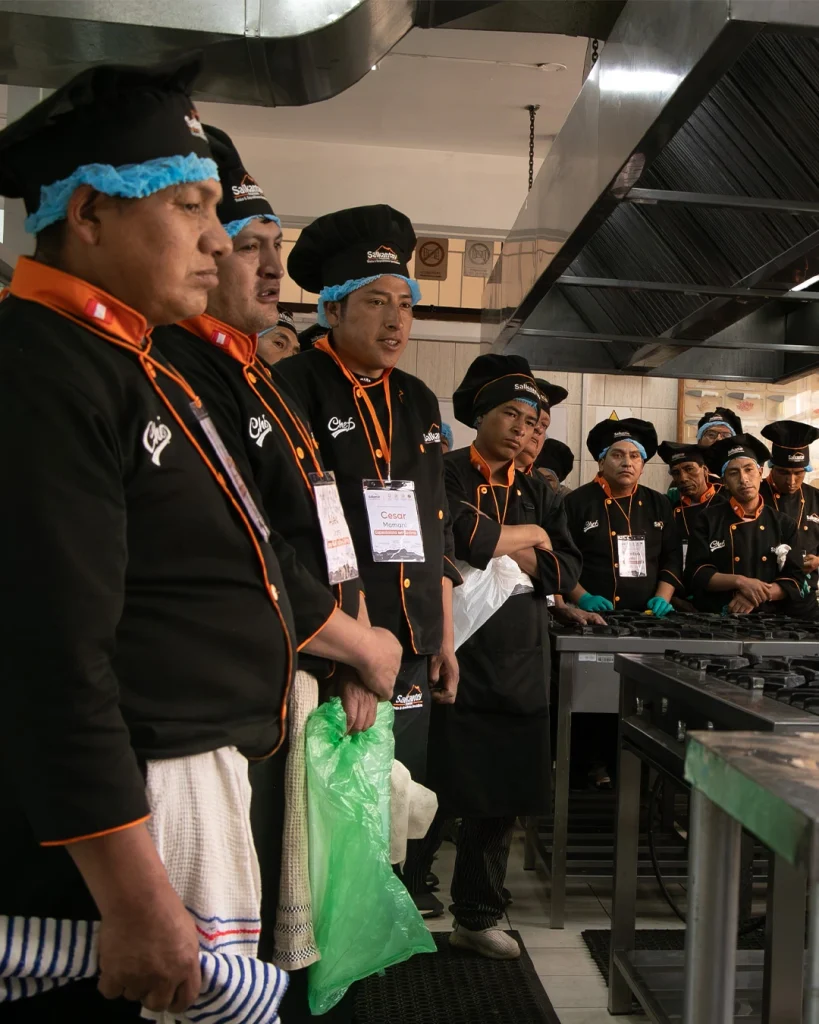
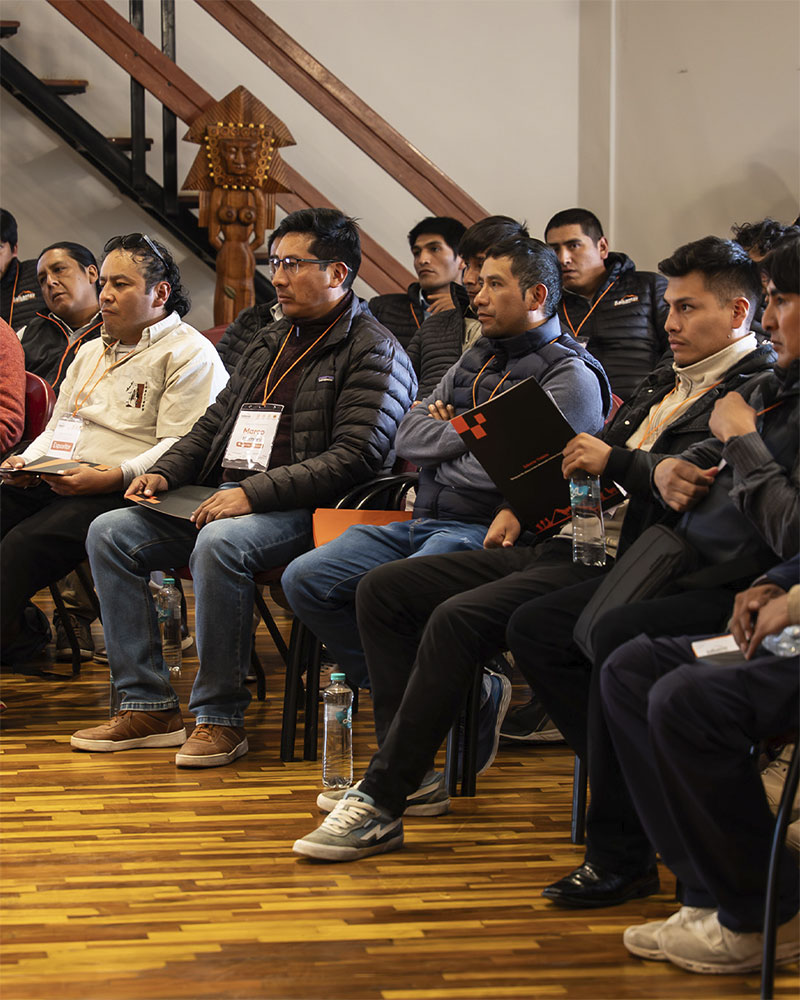
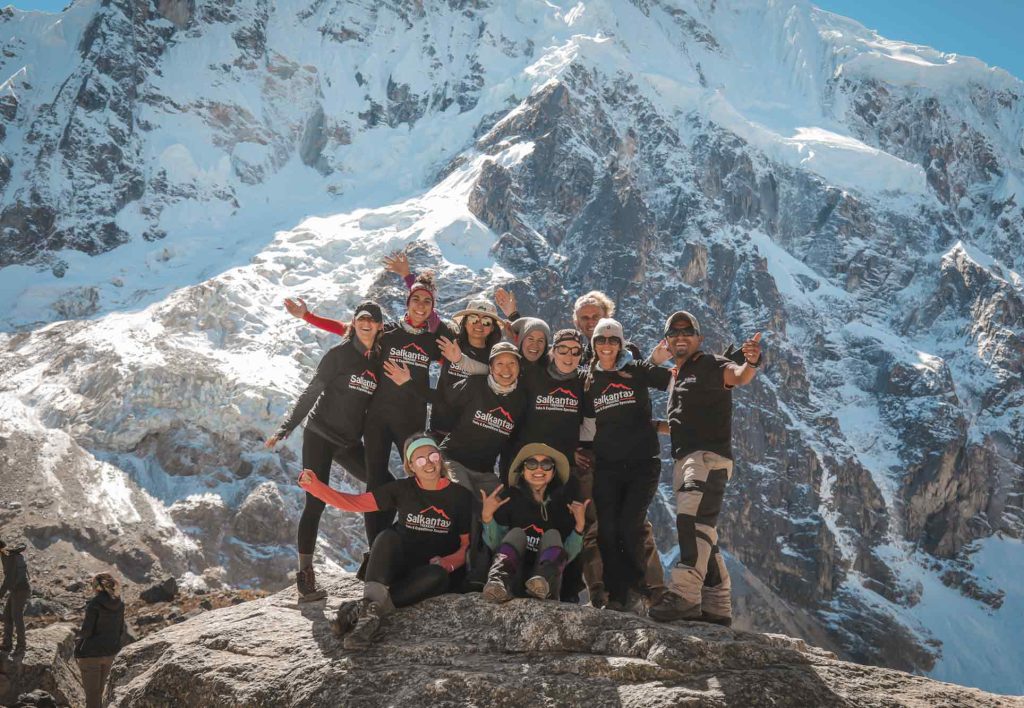
From February 16 to 25, Salkantay Trekking carried out one of the most significant events on its internal calendar: the 2026 Annual Training Program. Over ten days, more than 250 team members—including guides, trail cooks, horsemen, drivers, and camp personnel—came together with a single purpose: to prepare for a new season with stronger standards and processes aligned to a shared vision.
Each February marks the beginning of something greater than operational planning. It represents the moment when we reinforce our commitment to delivering trekking experiences designed with precision and high-quality standards. Before the first group crosses the Salkantay pass or lays eyes on Machu Picchu, there is a team preparing technically and professionally to ensure everything runs with precision.
Table of contents
A season that begins before the mountain
The Training Program is part of the strategic planning for the 2026 season. Its goal is not only to update knowledge but to ensure that every area—from operations to the field—works under the same standards, with clarity in processes and consistency in how service is delivered.
Throughout these sessions, the program combined technical workshops with moments of institutional reflection. There were real-case analyses, protocol reviews, collaborative work by department, and supervision sessions aimed at improving decision-making on the trail. More than just listening to presentations, the team actively participated in conversations that strengthen coordination between departments and prevent operational risks before they occur.
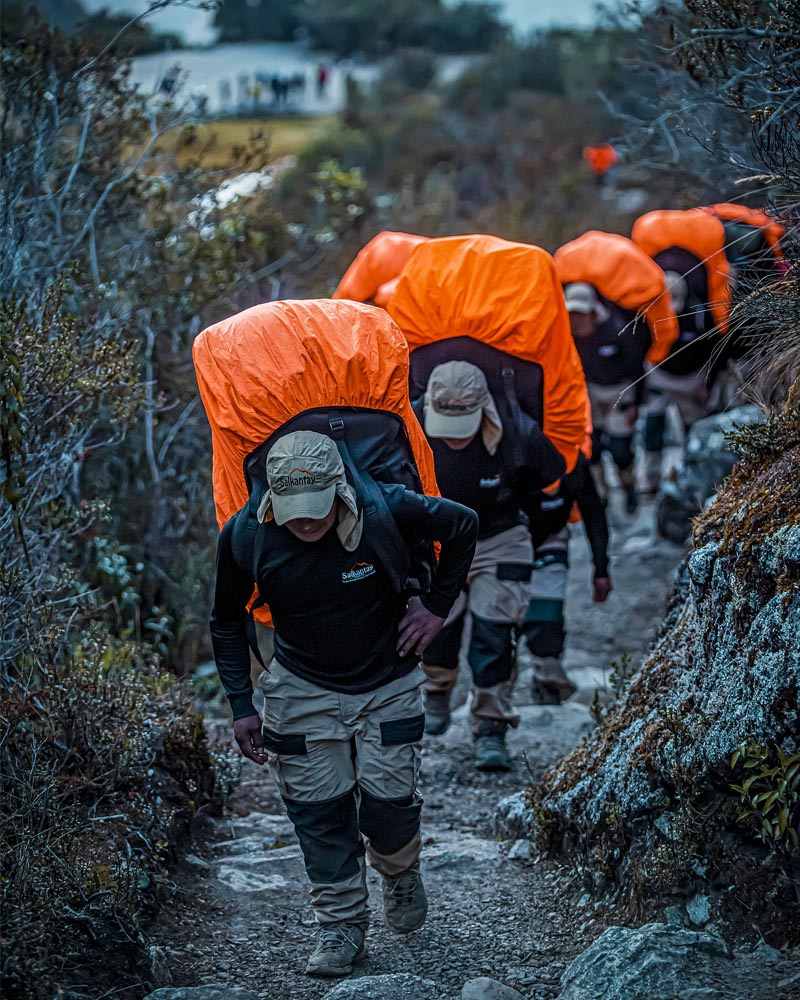
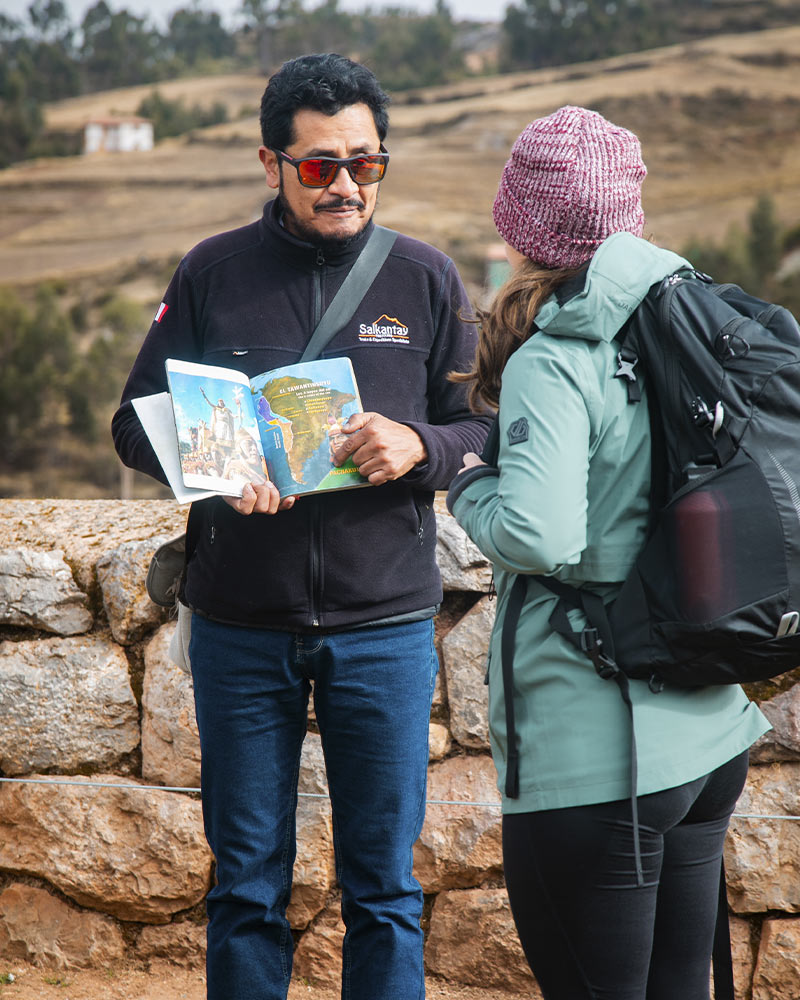
Specialized training for every role on the trail
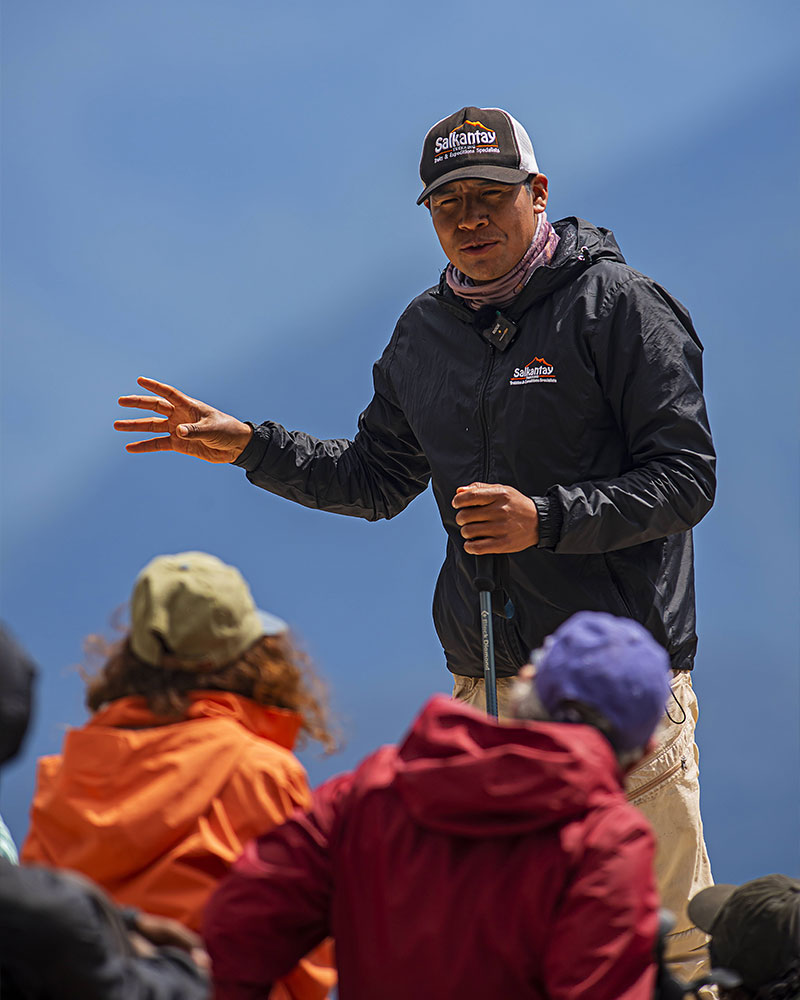
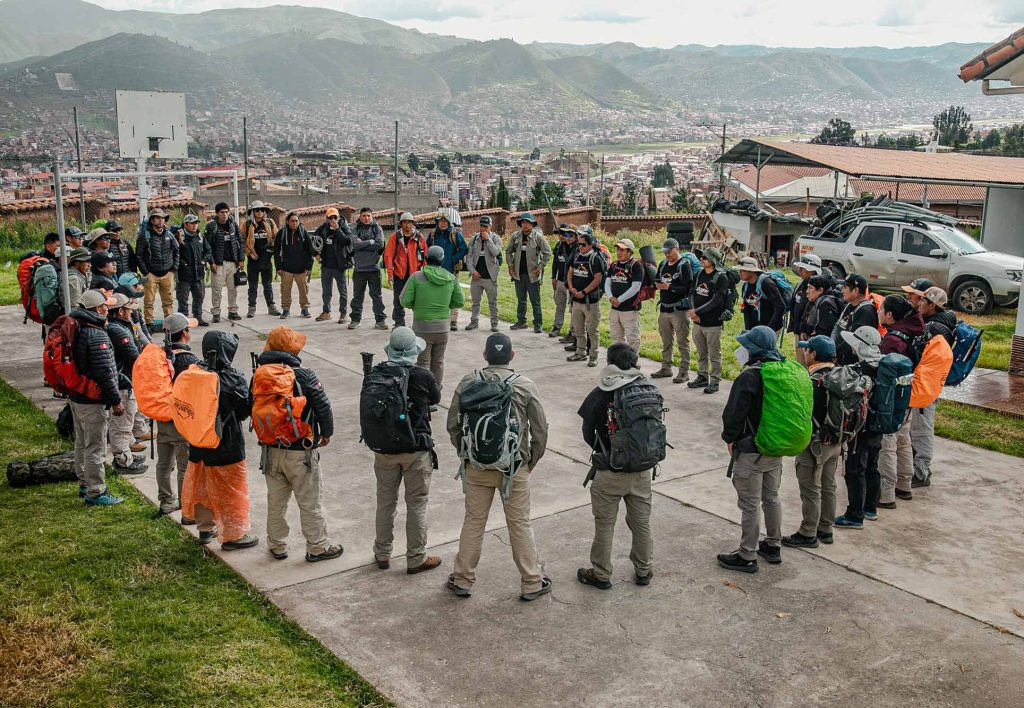
Guides delved into key content designed to further elevate the traveler experience—from geology applied to the Machu Picchu route to group facilitation techniques and mountain rescue. They also reviewed the standardization of 2026 products, internal operational processes, and the legal framework supporting their professional responsibilities. The goal was clear: to strengthen leadership, technical judgment, and consistency in the narrative that accompanies every step of the trek.
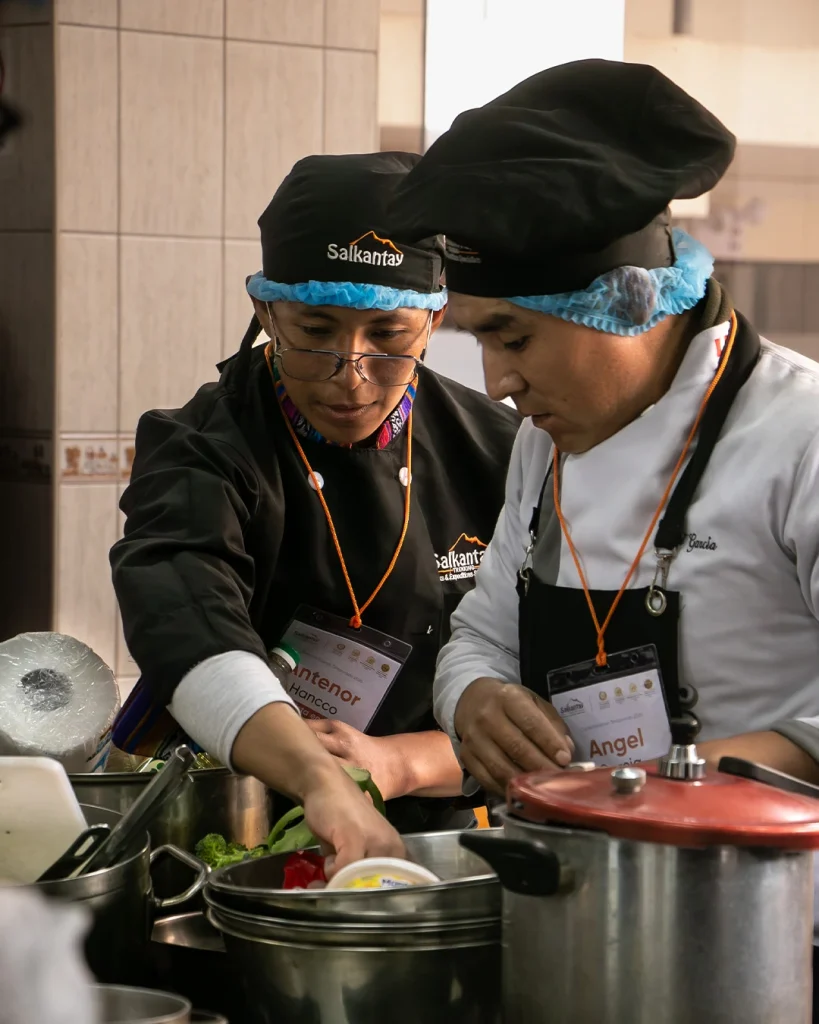
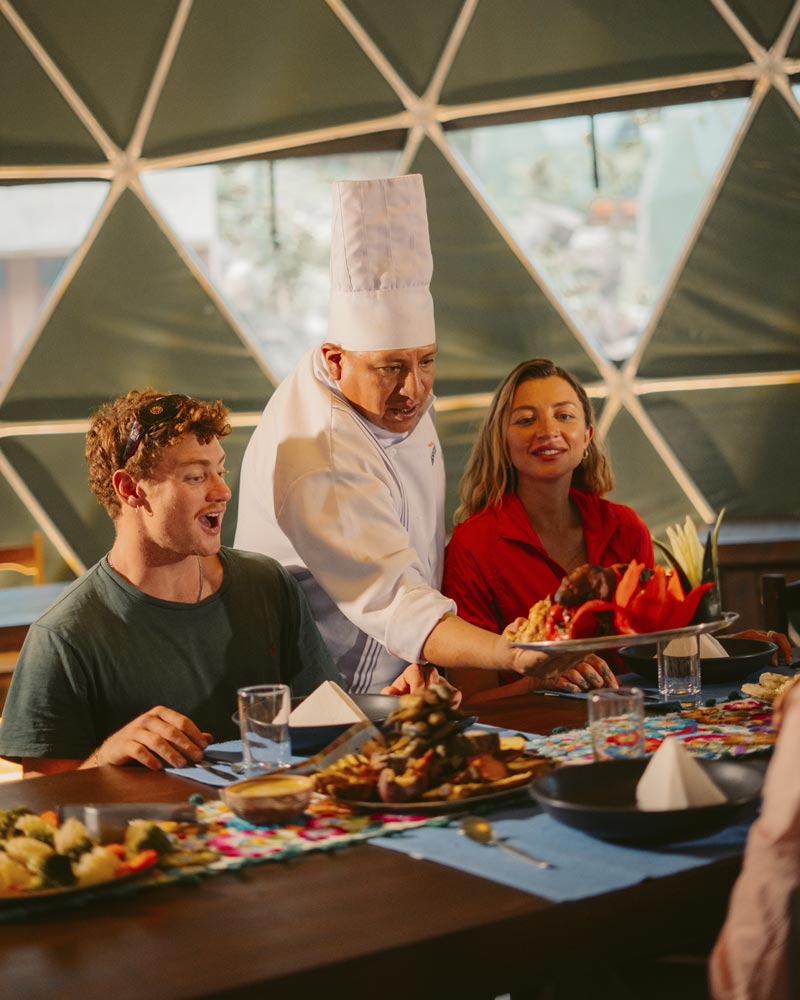
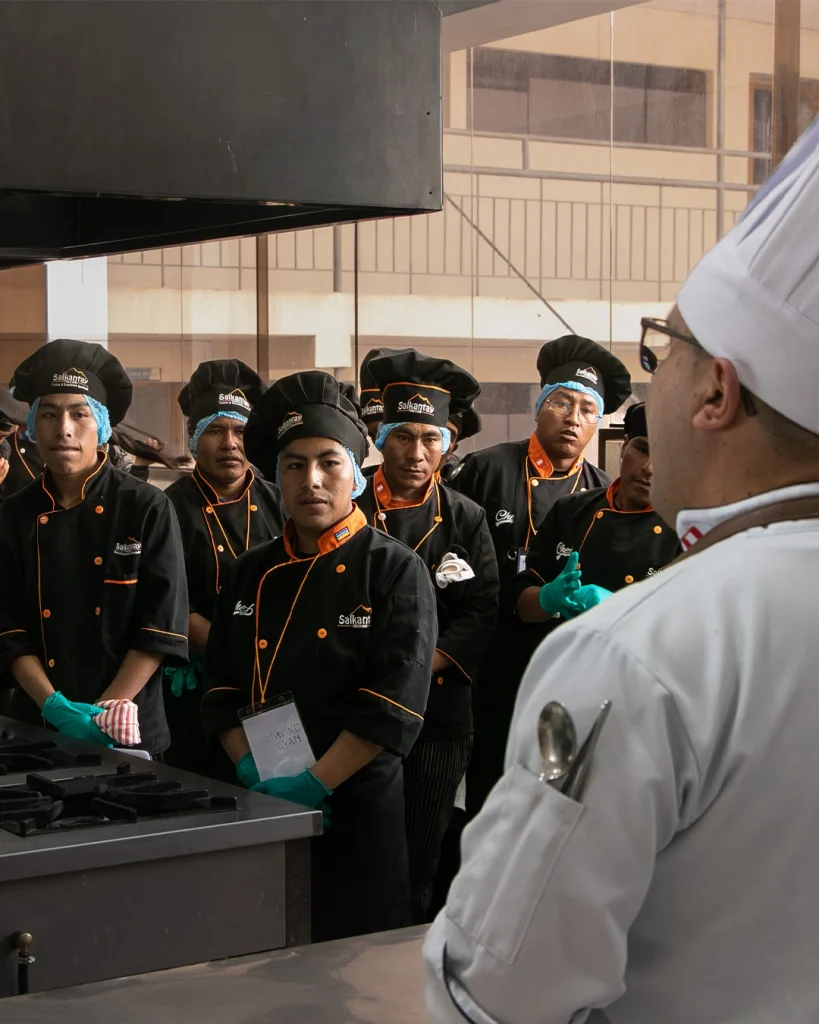
In parallel, trail cooks focused on best practices in food handling, specific protocols for the Inca Trail, and responsible solid waste management. The training not only enhanced food safety but also the operational organization that allows each campsite to function efficiently—even under high-altitude conditions.
The horsemen participated in sessions focused on animal welfare, load standards, and safety protocols. Emphasis was placed on the importance of responsible work on the trail and ongoing coordination with guides and camp personnel—recognizing that animal care and proper transport logistics are foundational pillars of the experience.
Drivers, for their part, received in-depth training on defensive driving and emergency protocols. Professional presentation, passenger interaction, and precise coordination with the operations department were also addressed—reinforcing that the traveler experience begins with the very first transfer.
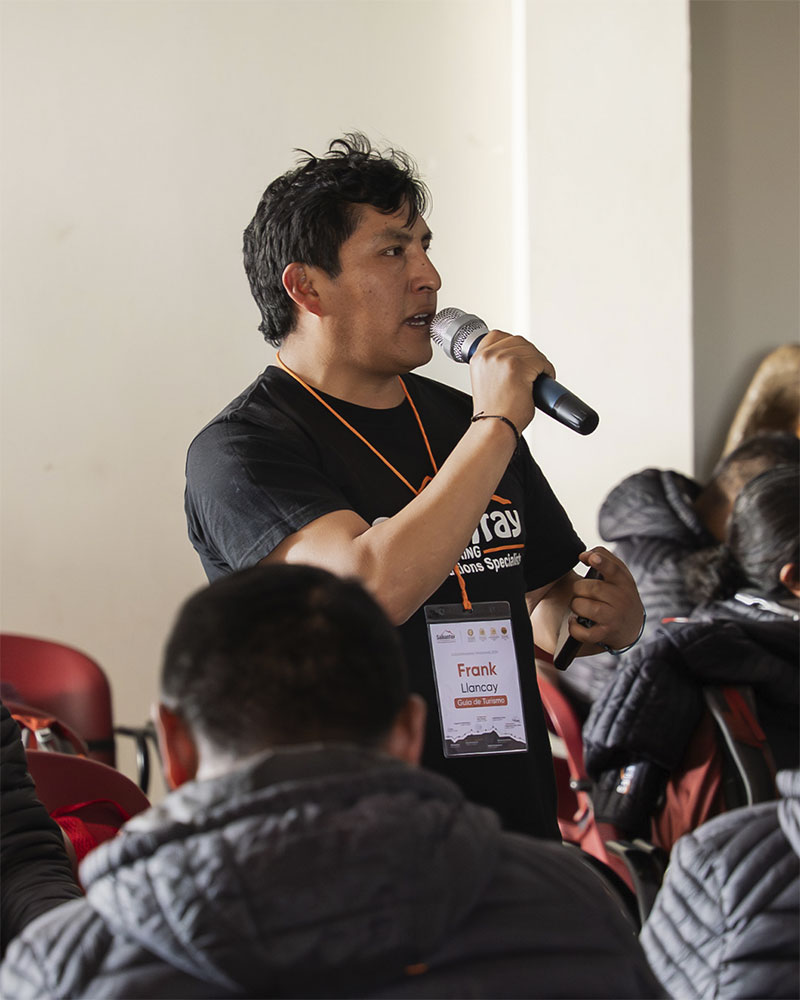
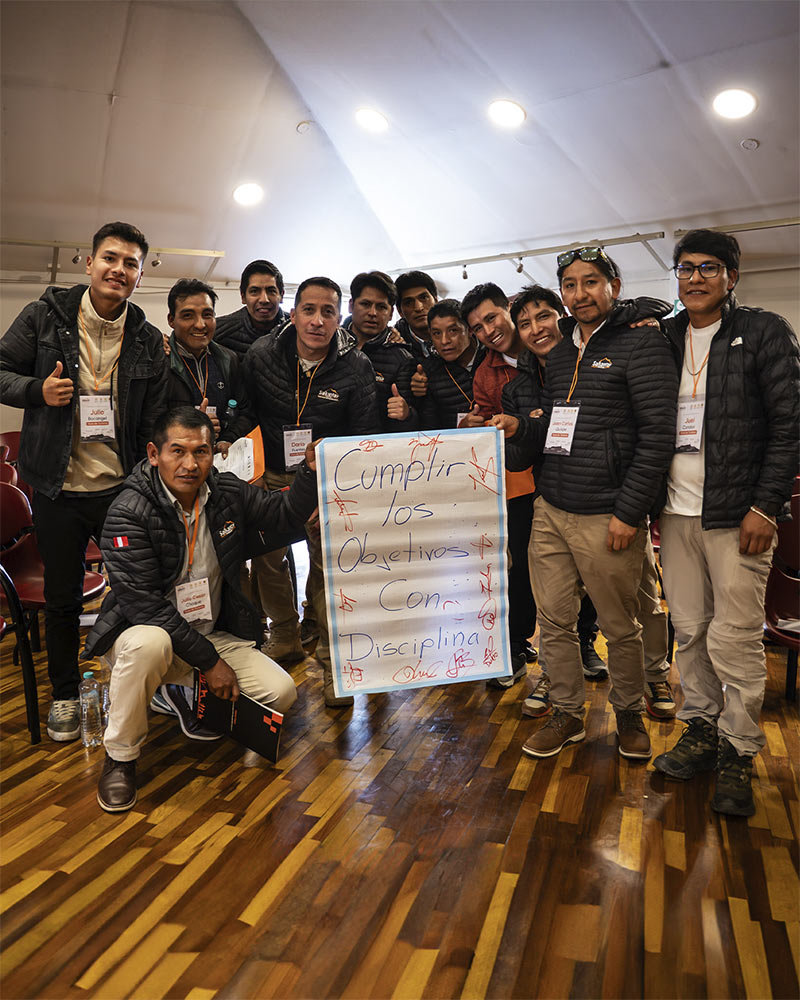
Organizational culture and sense of belonging
Beyond the technical content, one of the core focuses of the program was strengthening organizational culture. Internal guidelines, formal communication channels, and institutional conduct standards were reviewed. Working groups allowed participants to identify areas for improvement and make concrete commitments for the 2026 season.
The intended outcome is not simply the uniform application of standards, but a more integrated operation—with greater clarity in roles, better coordination between departments, and proactive management of potential challenges. When every team member understands the impact of their role within the whole, the final experience is transformed.
Meticulously organized effort
The program’s execution was supported by carefully supervised logistics. From the technical setup of training spaces to the formal documentation of attendance and commitments, each day was planned to run with order, punctuality, and professionalism. The sessions held at the Auditorium of the Regional Office of Tourism and Foreign Trade (GERCETUR), the KHIPU Institute and the field were equipped with all necessary resources to ensure a suitable environment for learning and participation.
This level of organization reflects one of the principles that defines Salkantay Trekking: excellence is not improvised—it is built through planning and commitment.
Preparing to serve better
The Annual Training Program is the foundation upon which we build each season. More than just an event on the calendar, it is the space where our team strengthens coordination, updates technical knowledge, and refines the protocols that ensure safe, high-quality operations.
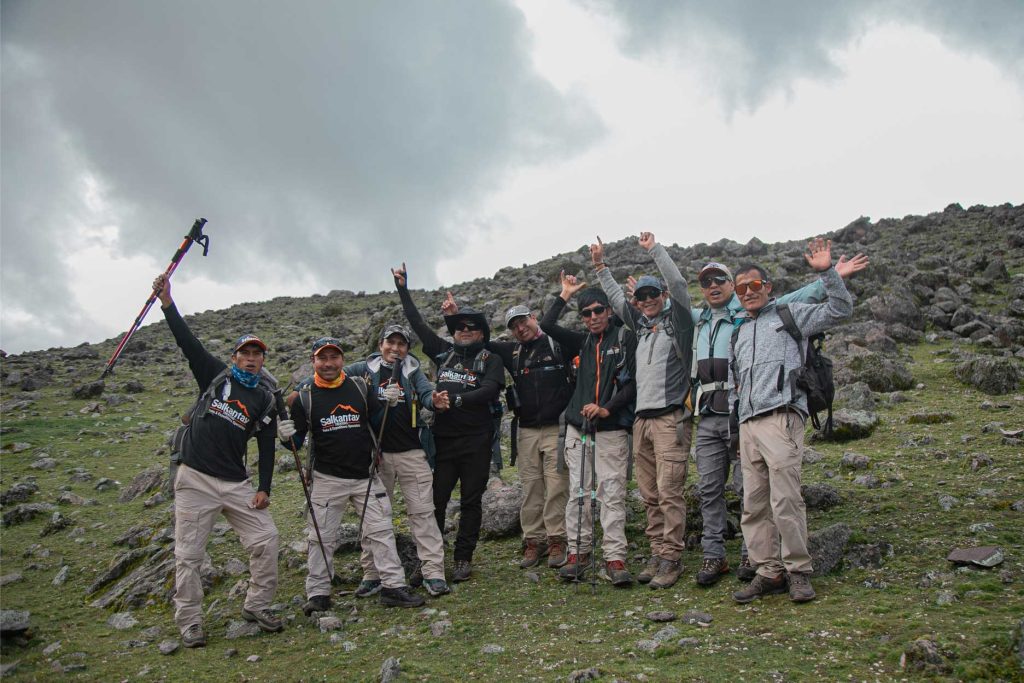
At Salkantay Trekking, we know that the mountain demands preparation and responsibility. That is why, before our travelers set foot on any route, we work with those who make every step of the journey possible: guides, cooks, logistics and operations personnel. The 2026 season begins here—with a team ready to take on the challenges of the high mountains..
Investment in training: Our quality guarantee for the traveler
Investing in our team’s preparation is the decision that most directly impacts the traveler experience. A trained staff not only reduces risks in the mountains but also manages unexpected situations with technical judgment and coordination—ensuring a consistent and seamless experience from the first transfer to the final day on the trail.
For the international traveler, this internal structure translates into confidence. Knowing that behind the expedition there is an organization with clear protocols and ongoing training reduces uncertainty and reinforces the perception of safety. In the long term, this investment strengthens our global positioning—built not only on spectacular landscapes but on sustained operational excellence over time.
You may also be interested in:



Leave A Reply