
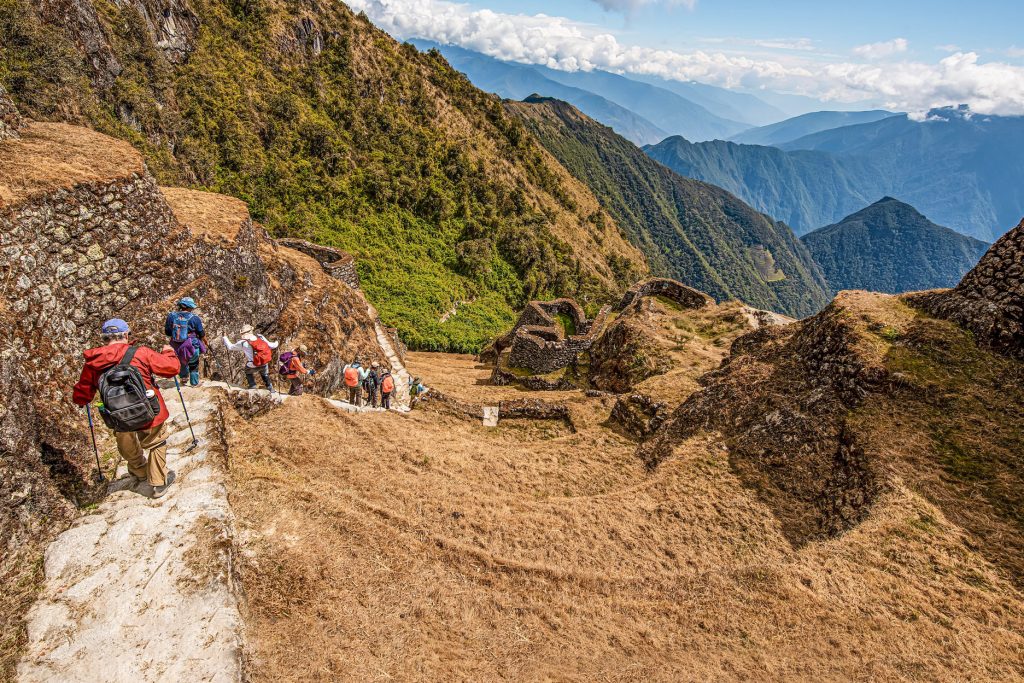
The Inca Trail is roughly 44 kilometers (27 miles) long and crosses at least three different microclimates, ranging from cold high-altitude areas to warm, humid cloud forests. These conditions change day by day, which is why choosing the right clothing is essential to fully enjoy the trek.
If you love both outdoor style and hiking, this guide is for you. Here you’ll find clear, practical advice on what to wear on the Inca Trail, how to dress in layers, and what to consider based on weather and season. We also share a few outdoor fashion brands and style trends so you can hike comfortably without sacrificing style.
Table of contents
Weather and real conditions on the Inca Trail
The weather on the Inca Trail varies depending on the season and even from one day to the next. To make it easier to understand, here’s a simple and realistic breakdown.
Seasons
- Dry season: Sunny days with strong heat. You’ll sweat more, hiking feels more demanding, and thirst is constant. Breathable, lightweight clothing is key.
- Rainy season: Cool to mild temperatures with high humidity. It’s not cold, but moisture is a factor. Wear quick-drying clothing and bring a waterproof outer layer. If you’re sensitive to humidity, packing an extra shirt is a good idea.
Weather by day
- Day 1: Warm and less humid than the following days.
- Day 2: The most challenging day. As you climb to the highest point, temperatures drop, winds increase, and conditions are dry. Later, the trail descends into cloud forest.
- Day 3: Warm and humid throughout most of the day.
- Day 4: Arrival at Machu Picchu, with mild and humid weather.
If humidity doesn’t bother you, the rainy season is often one of the best times to hike the Inca Trail. The temperatures are more comfortable for walking, and the landscapes are much greener. Just keep in mind that the trail is closed in February for maintenance.
Travel tip: If you want more details, check out our blog post on the best time of year to hike the Inca Trail.
What is layering and why it matters on the Inca Trail?
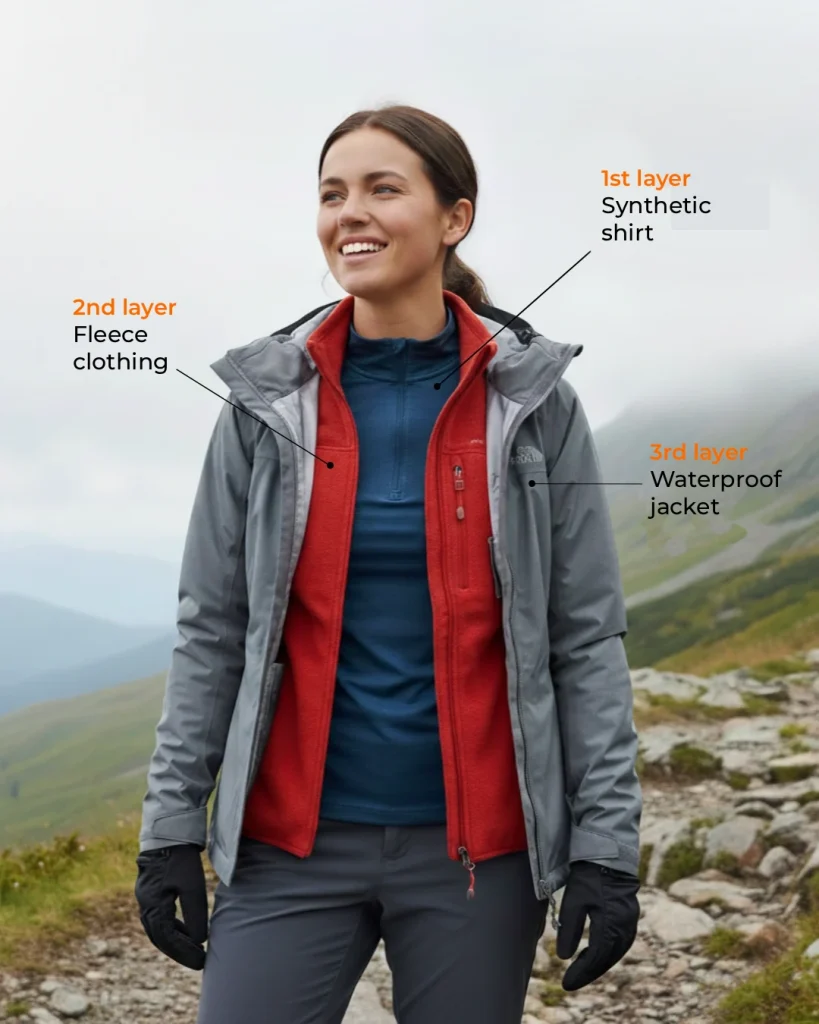
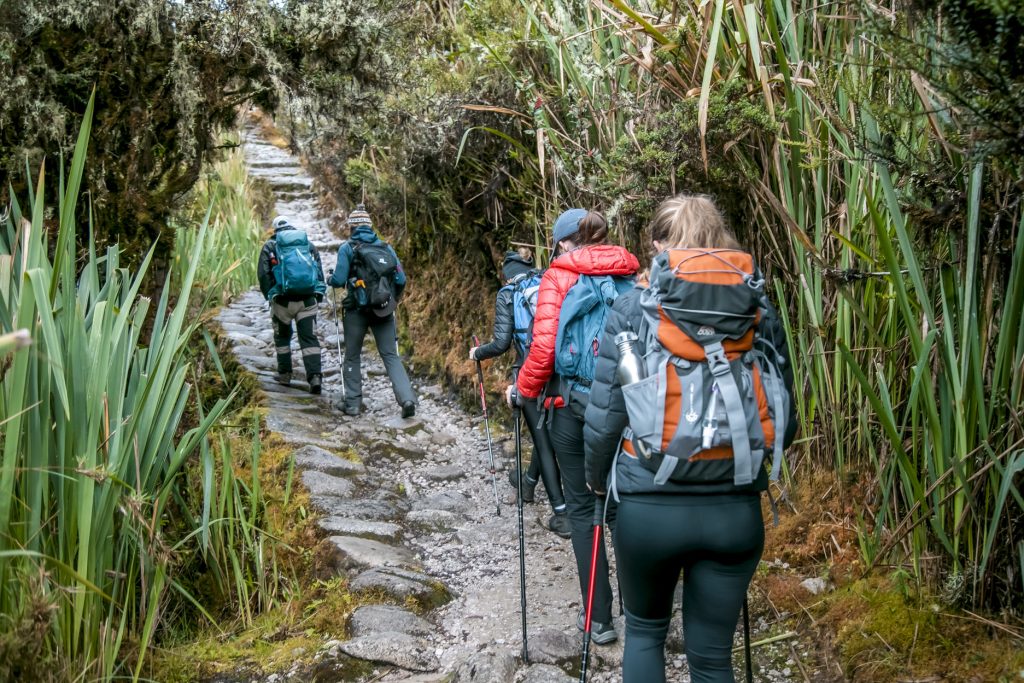
Layering means wearing several lightweight garments that you can add or remove depending on weather conditions and physical effort. Instead of relying on one heavy piece, layers work together to keep you comfortable throughout the hike.
Because the Inca Trail passes through very different climates in just a few days, being able to adjust quickly is essential. Dressing in layers is the most practical and reliable way to regulate body temperature and stay comfortable during each stage of the trek.
Example of a layering system
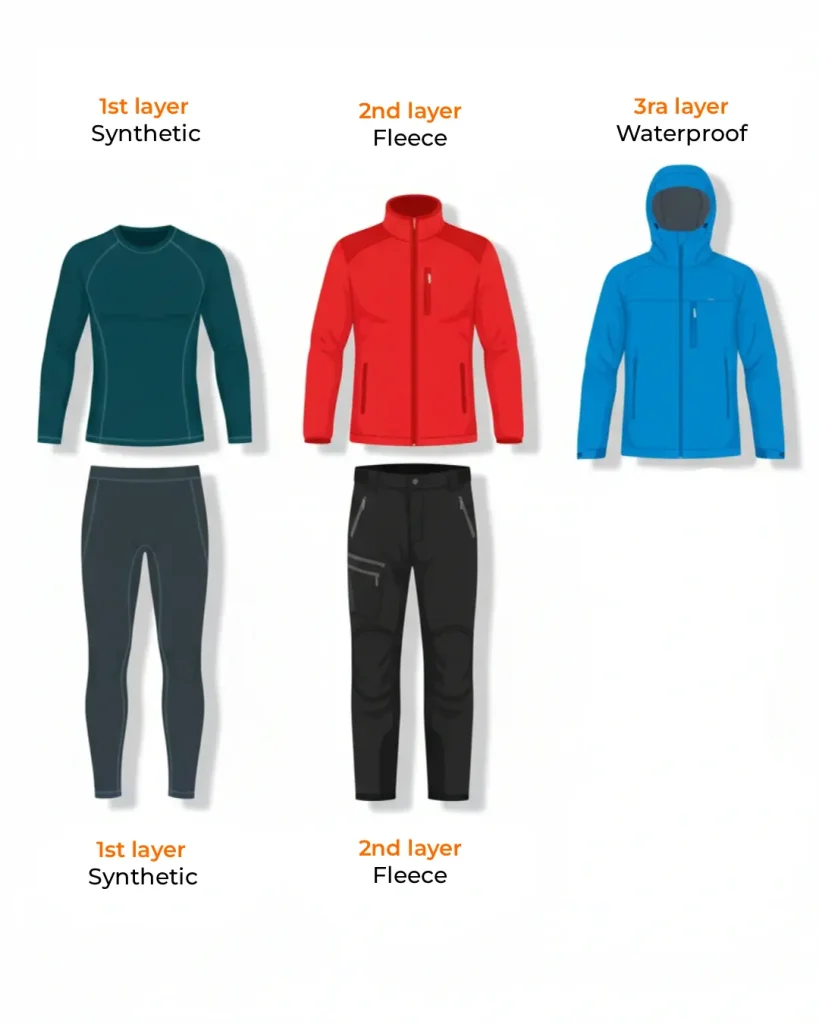
- Base layer: A lightweight, synthetic, quick-drying shirt worn directly against the skin. Its main job is to manage sweat.
- Mid layer: A light fleece or insulating layer. Wear it in the early morning until your body warms up, and again in the afternoon or evening when temperatures drop.
- Outer layer: A windbreaker or waterproof jacket. This layer is only necessary when it’s windy or raining.
- Lower body: Quick-drying or water-resistant hiking pants. In colder conditions, you can add thermal leggings made from synthetic fabric or merino wool underneath for extra warmth.
- Useful extras: A beanie, sun hat, gloves, sunglasses, and a rain poncho, depending on the weather.
Practical tip: On the Inca Trail, less is more. Stick to functional, lightweight, quick-drying clothing—your comfort will thank you over the four days of hiking.
Recommended clothing and footwear for the Inca Trail (including brands)
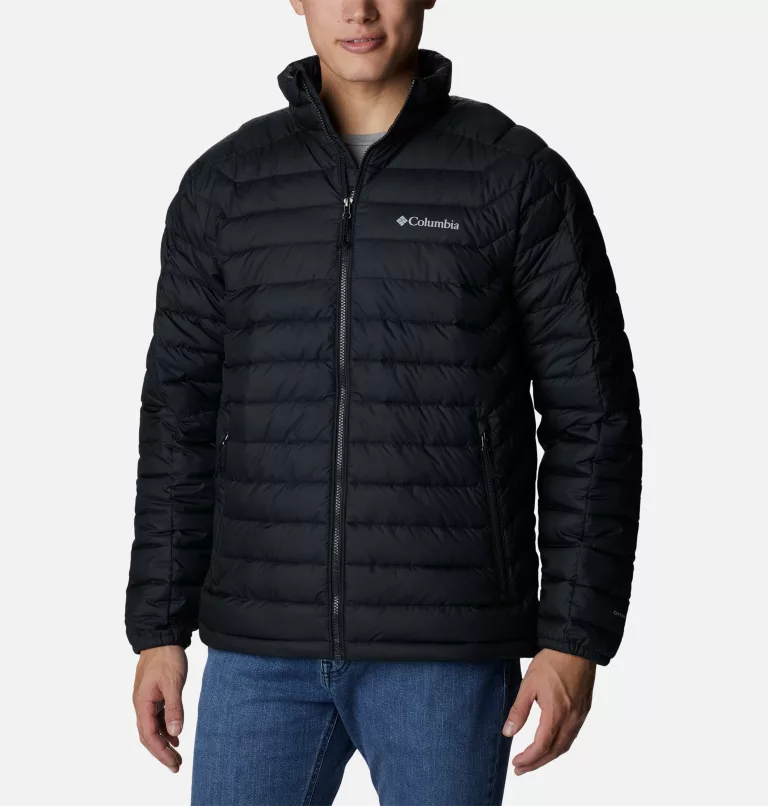
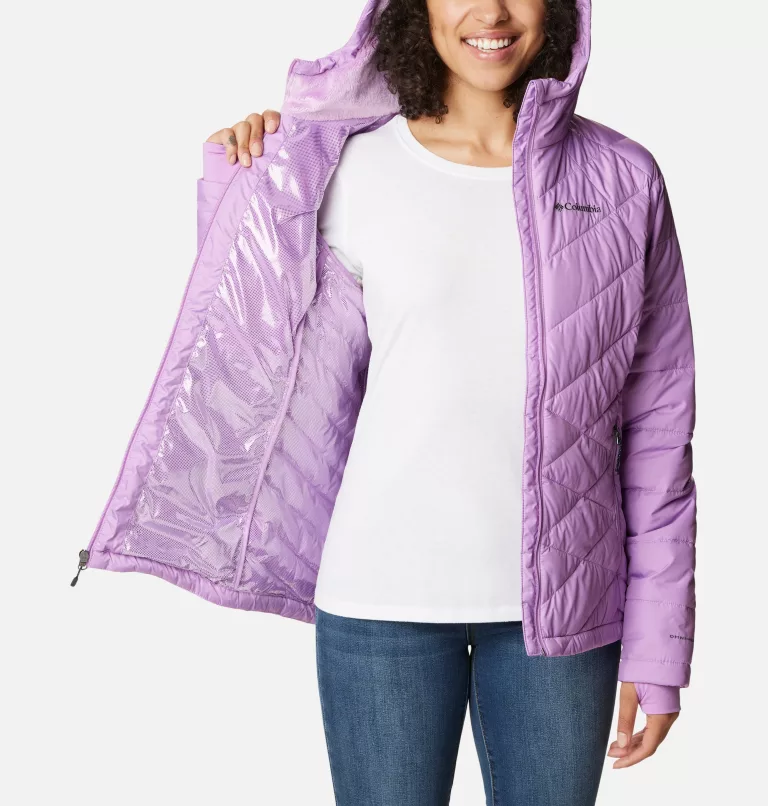
1. Insulated jacket
You’ll need a warm insulated jacket to protect yourself from the Andean cold, especially in the early mornings, evenings, and at higher elevations along the trail. Ideally, it should be lightweight but insulating, so it doesn’t add unnecessary weight to your pack.
- Recommended materials: synthetic thermal insulation or synthetic down fill, which retains warmth even in damp conditions.
- Colors: classic options like black, beige, or navy work well, but brighter colors such as red, yellow, or fuchsia are also recommended, as they improve visibility in the mountains in case of an emergency.
- Suggested brands: Merrell, Columbia, and Doite, for their balance of warmth, low weight, and practicality.
2. Rain jacket
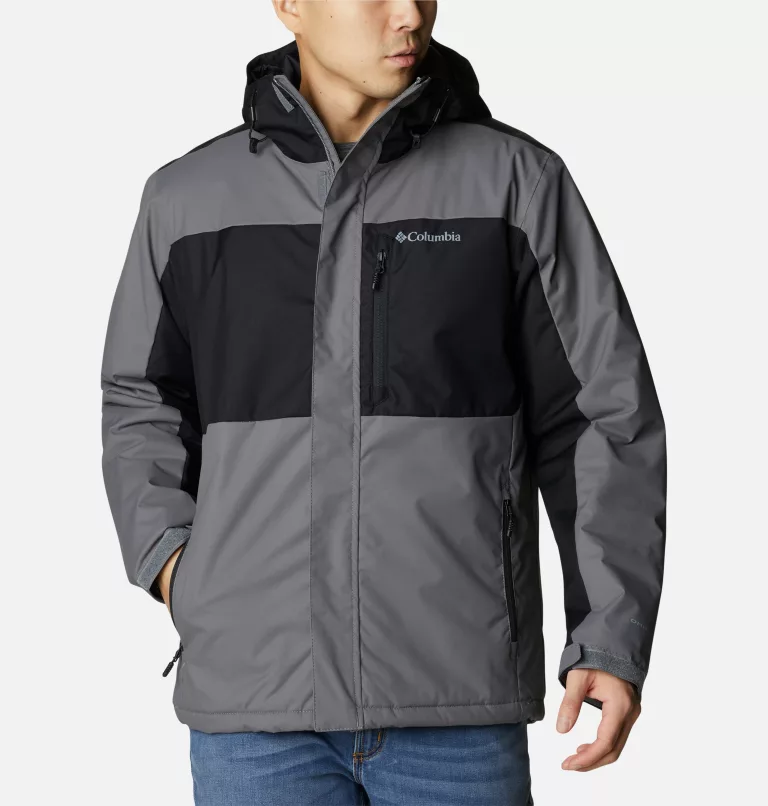
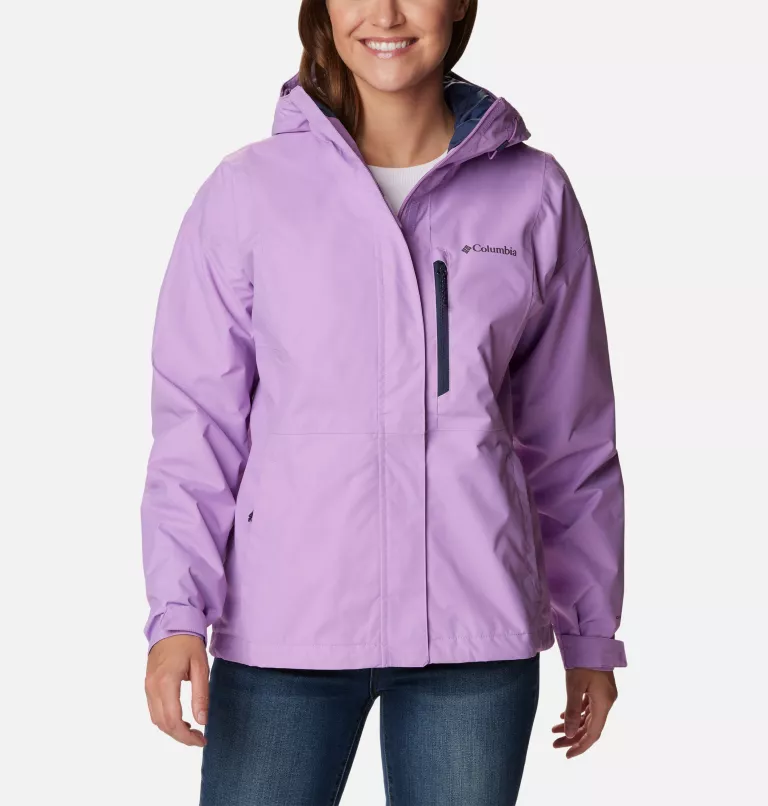
A waterproof jacket is essential, as light rain is common in the Andes year-round, even though it’s less frequent during the dry season. This layer will be your main protection against rain and wind.
- Recommended materials: waterproof and windproof fabric with sealed seams and good breathability.
- Colors: in addition to neutral tones, consider bold colors like red, yellow, or light blue to increase visibility in fog or heavy rain.
- Suggested brands: Merrell, Columbia, Doite, and Mountain Gear, known for durable waterproof materials and solid construction.
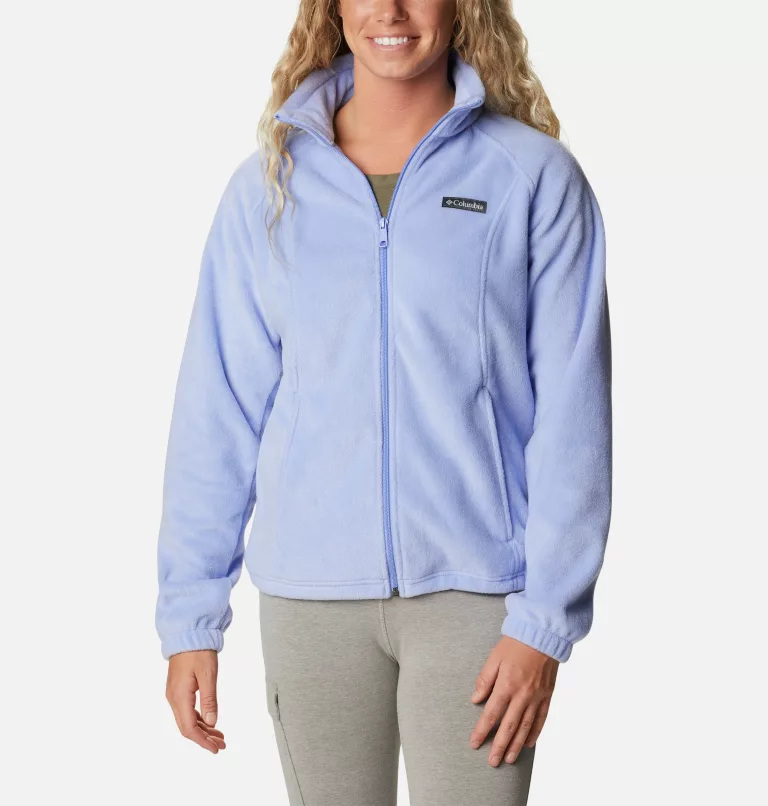
3. Lightweight fleece layer
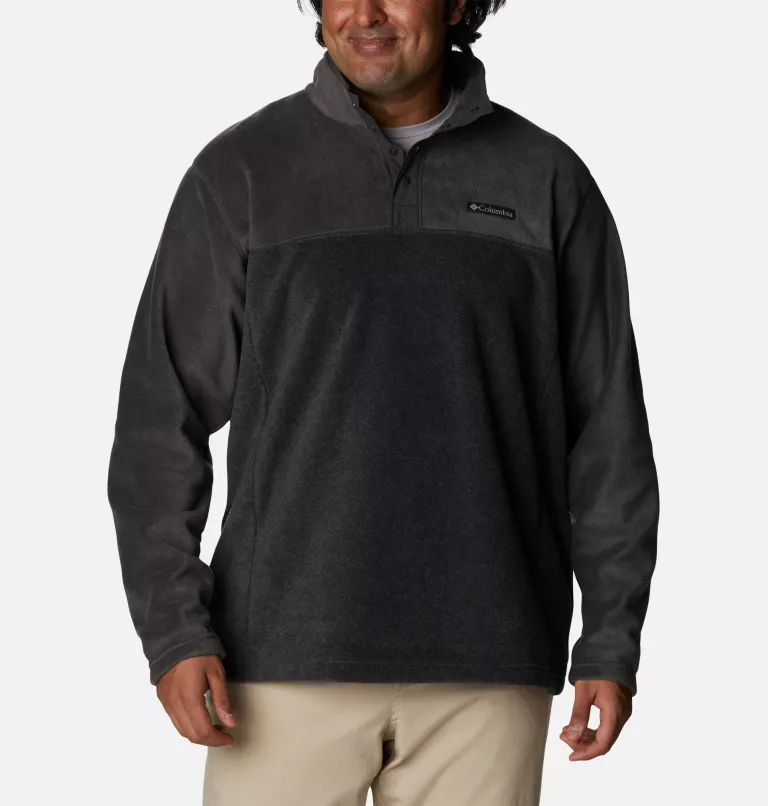
A lightweight fleece works as a mid-layer, helping retain body heat without causing overheating while hiking.
- Recommended materials: breathable, lightweight fleece.
- Colors: neutral or easy-to-match tones that pair well with your jackets for a clean, functional outfit.
- Suggested brands: The North Face and Columbia, for reliable insulation and durability.
4. Long-sleeve base layers
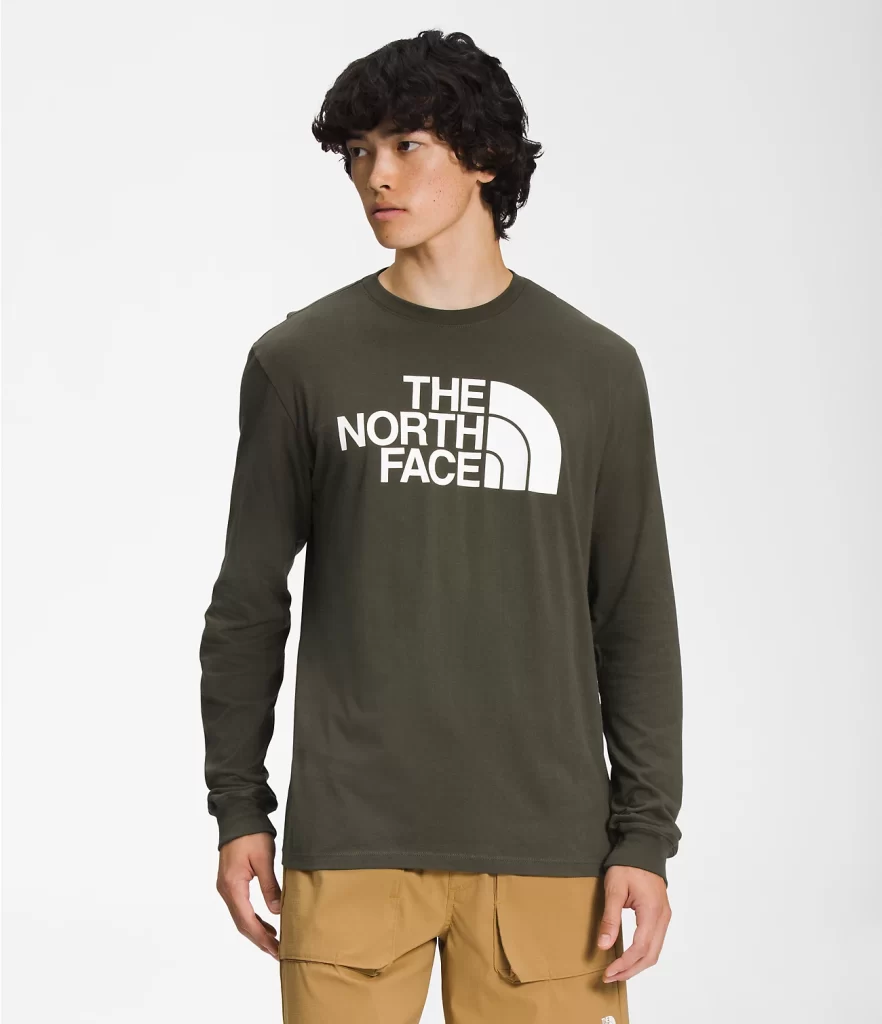
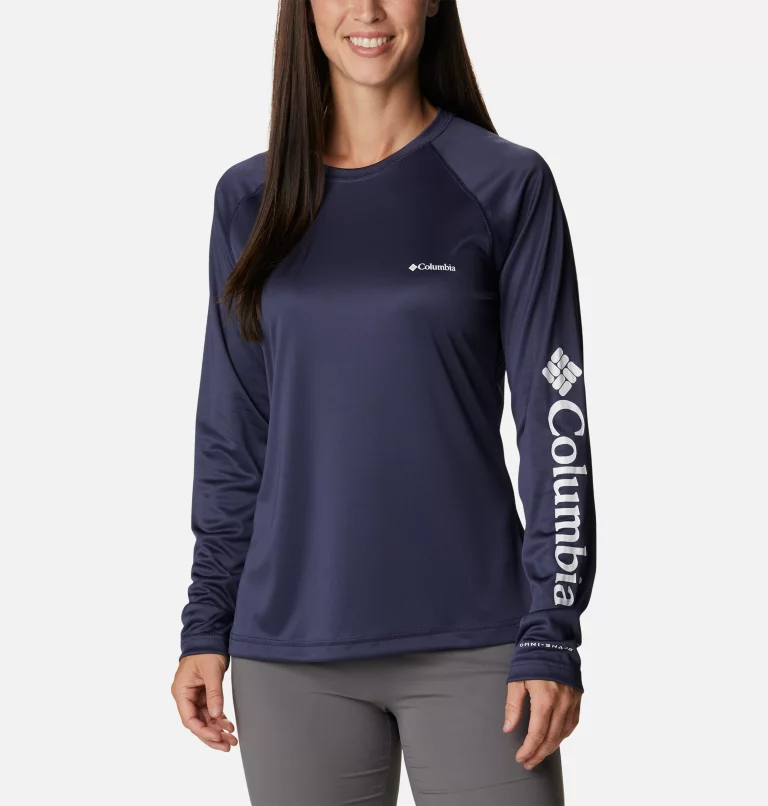
You’ll need at least three long-sleeve shirts to use as base layers. These are key for temperature regulation and for protecting your skin from sun exposure and moisture.
- Recommended materials: polyester, spandex, or technical blends that dry quickly; avoid cotton.
- Colors: solid tones like black, blues, or soft pastels, as they’re practical and easy to mix and match.
- Suggested brands: The North Face and Columbia, for their technical fabrics and comfortable seams that move with your body.
5. Short-sleeve shirts
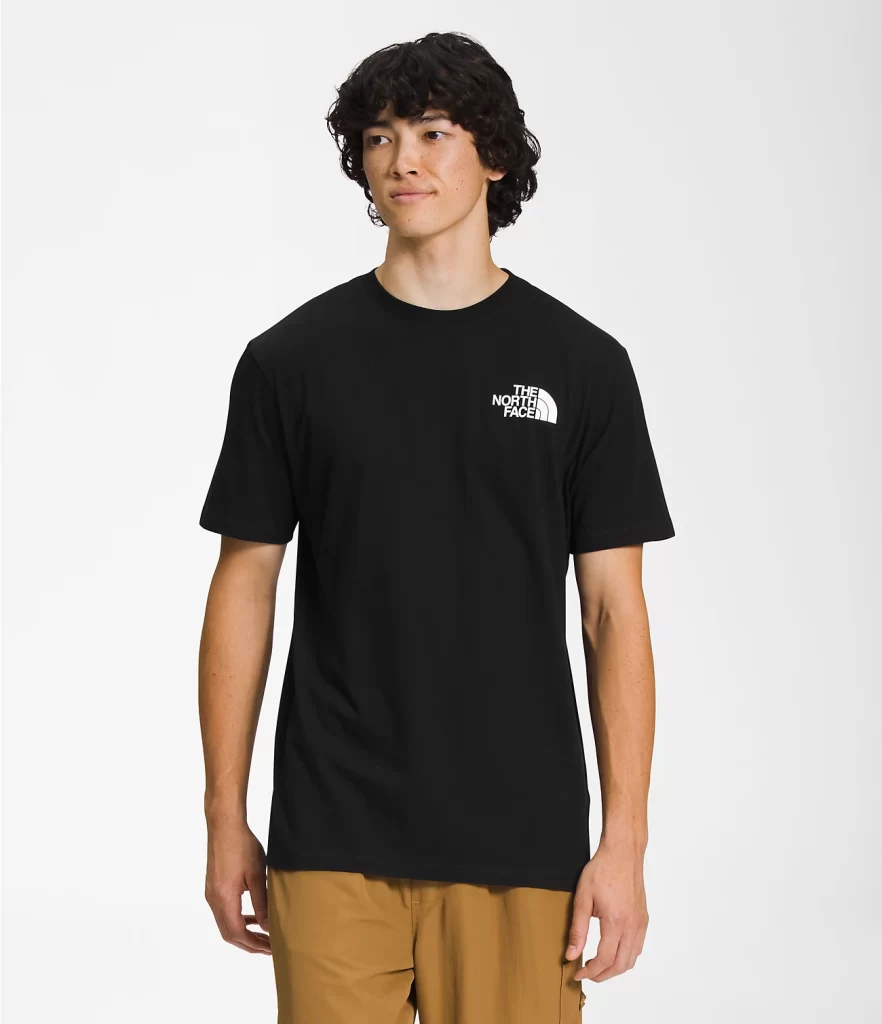
Short-sleeve shirts are ideal for warmer sections of the trail and for changing during the hike.
- Recommended materials: polyester or spandex fabrics that are durable and quick-drying.
- Colors: personal preference, prioritizing pieces that work well with the rest of your clothing.
- Suggested brands: The North Face, Andina Outdoors, and Lippi, known for comfort and durability on the trail.
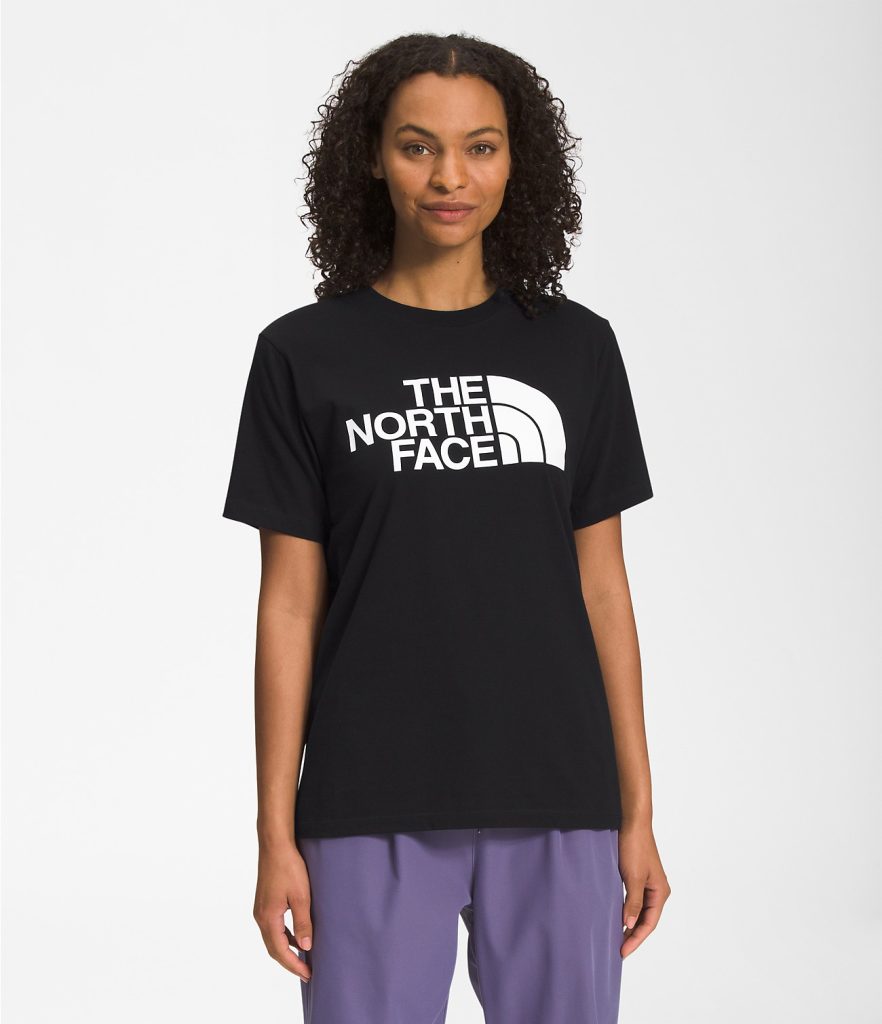
6. Hiking pants
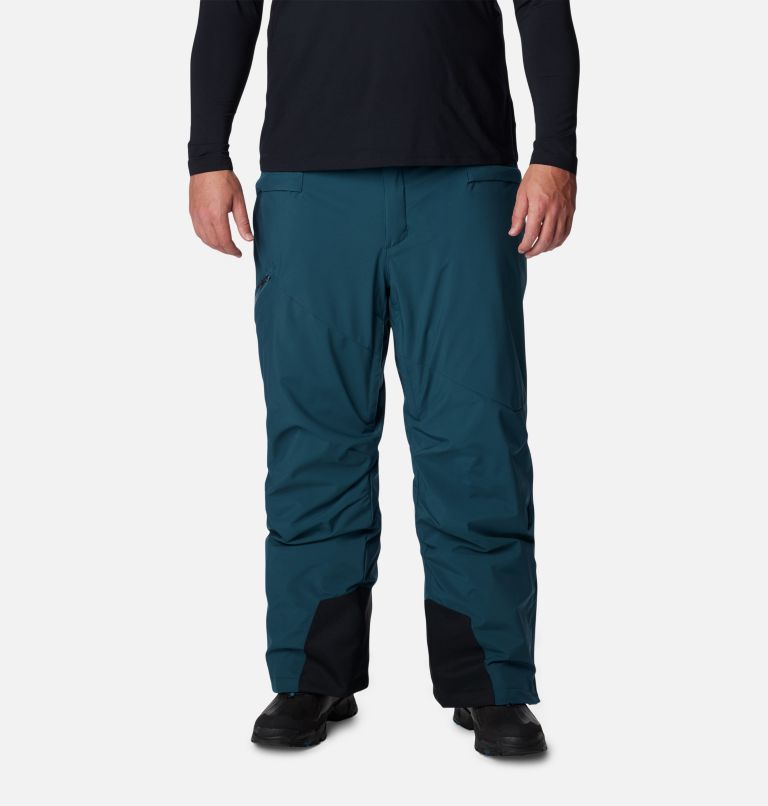
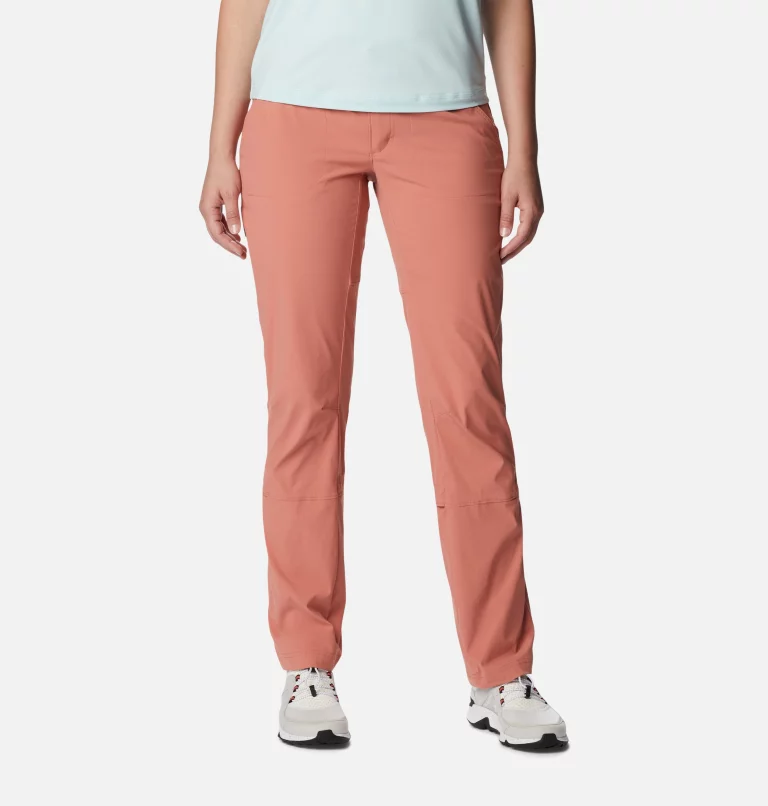
You’ll need one or two pairs of hiking pants, since you’ll be hiking for several days and rotating them helps with comfort and hygiene.
- Recommended materials: lightweight, quick-drying fabrics such as nylon or technical polyester, preferably with a DWR finish—a treatment that helps water bead off the fabric.
- Colors: black or beige, which are easy to combine and better at hiding dirt.
- Design: look for comfortable cuts, functional pockets, and a secure fit.
- Suggested brands: The North Face and Merrell, valued for fabric quality and ergonomic design.
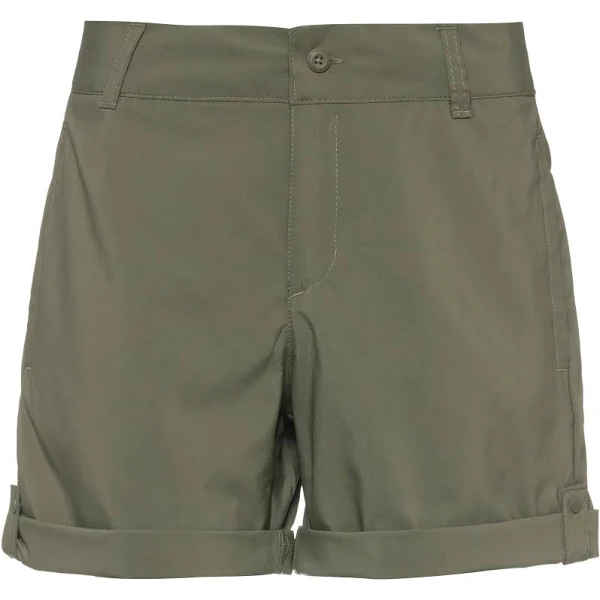
7. Hiking shorts (optional)
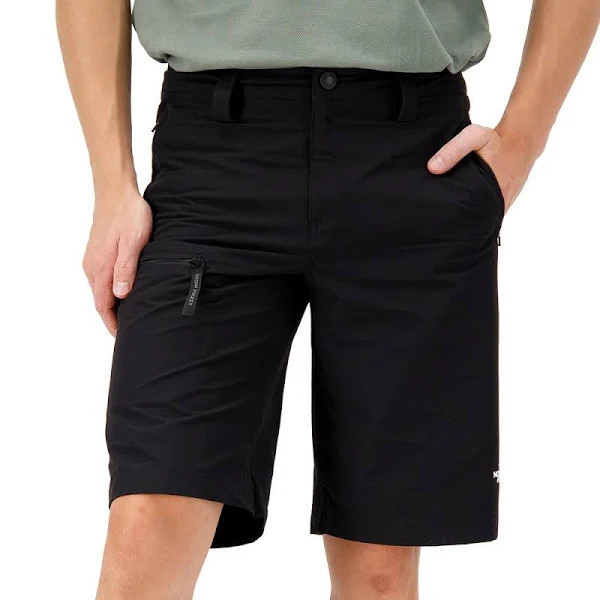
Shorts are optional and come down to personal comfort, but they can be useful in warmer sections of the trail.
- Recommended materials: similar to hiking pants—lightweight and breathable
- Colors: black or beige for versatility.
- Suggested brands: Columbia and The North Face.
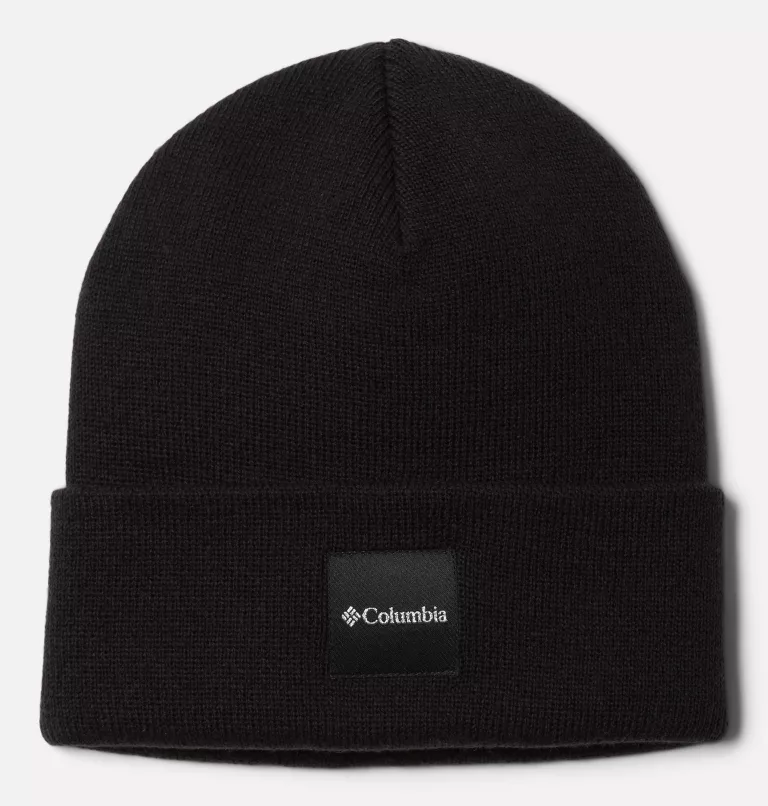
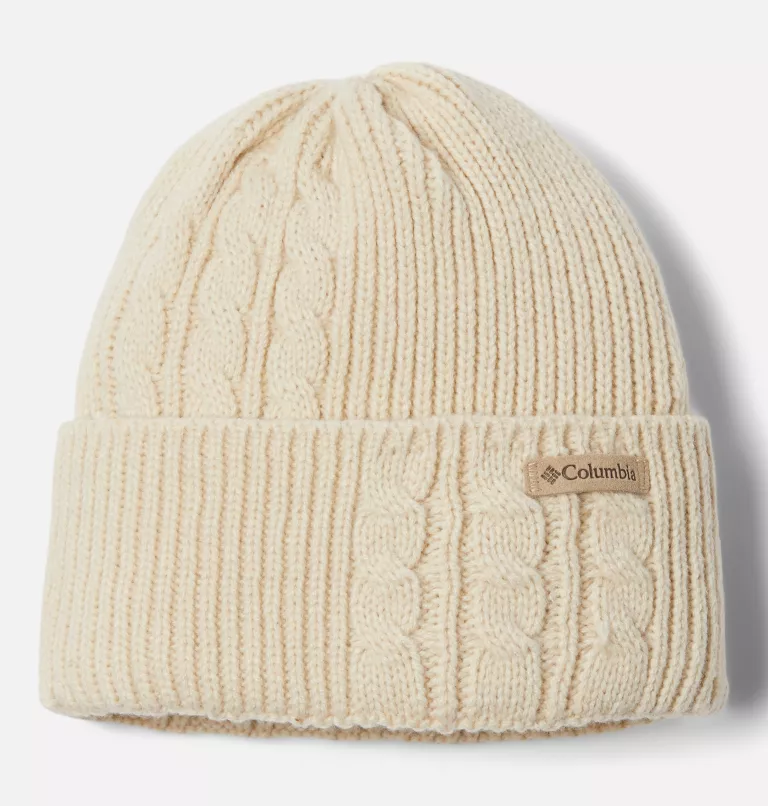
8. Wool beanie or chullo
A wool beanie or traditional chullo is essential for staying warm, especially at campsites and higher elevations.
- Recommended materials: wool or thermal fibers that retain heat.
- Colors and design: personal preference, ideally coordinated with the rest of your clothing.
- Suggested brands: The North Face or Quechua. For chullos, any handcrafted Peruvian brand is a great option.
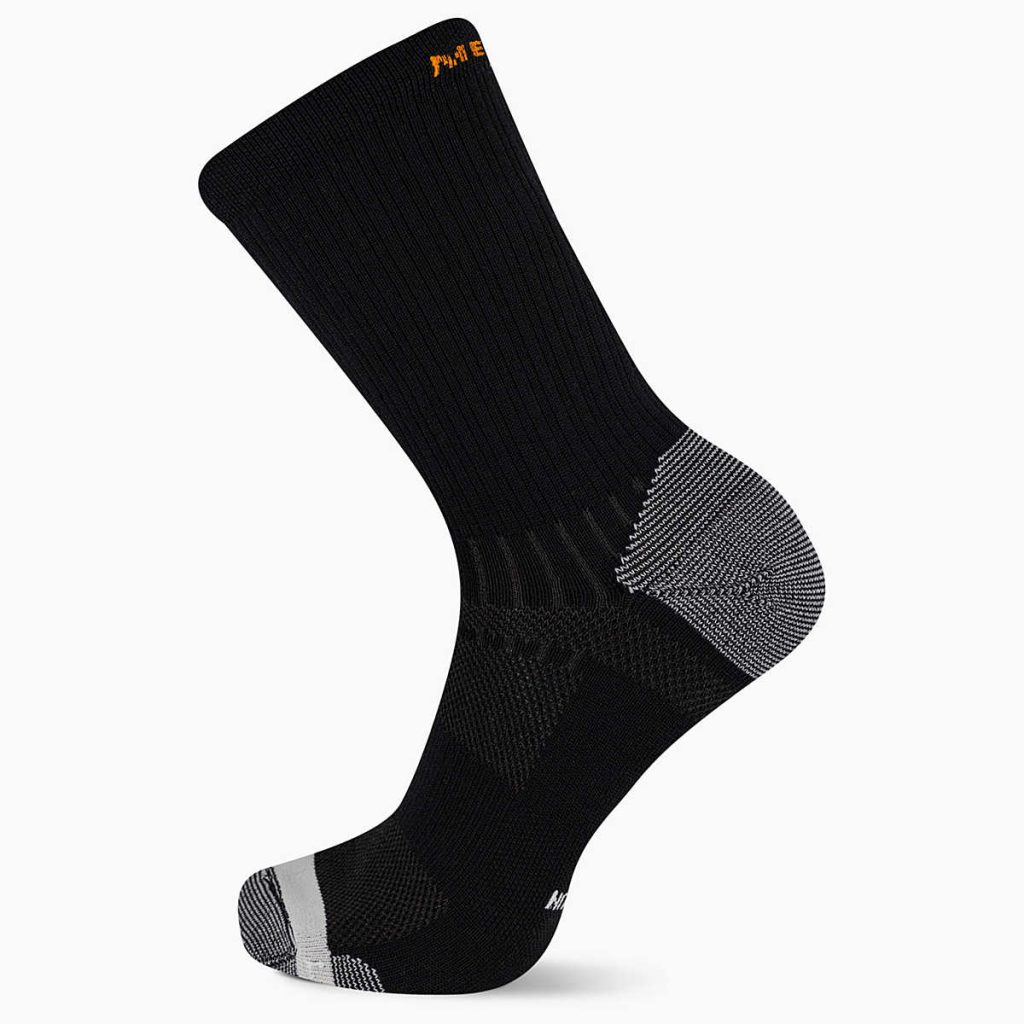
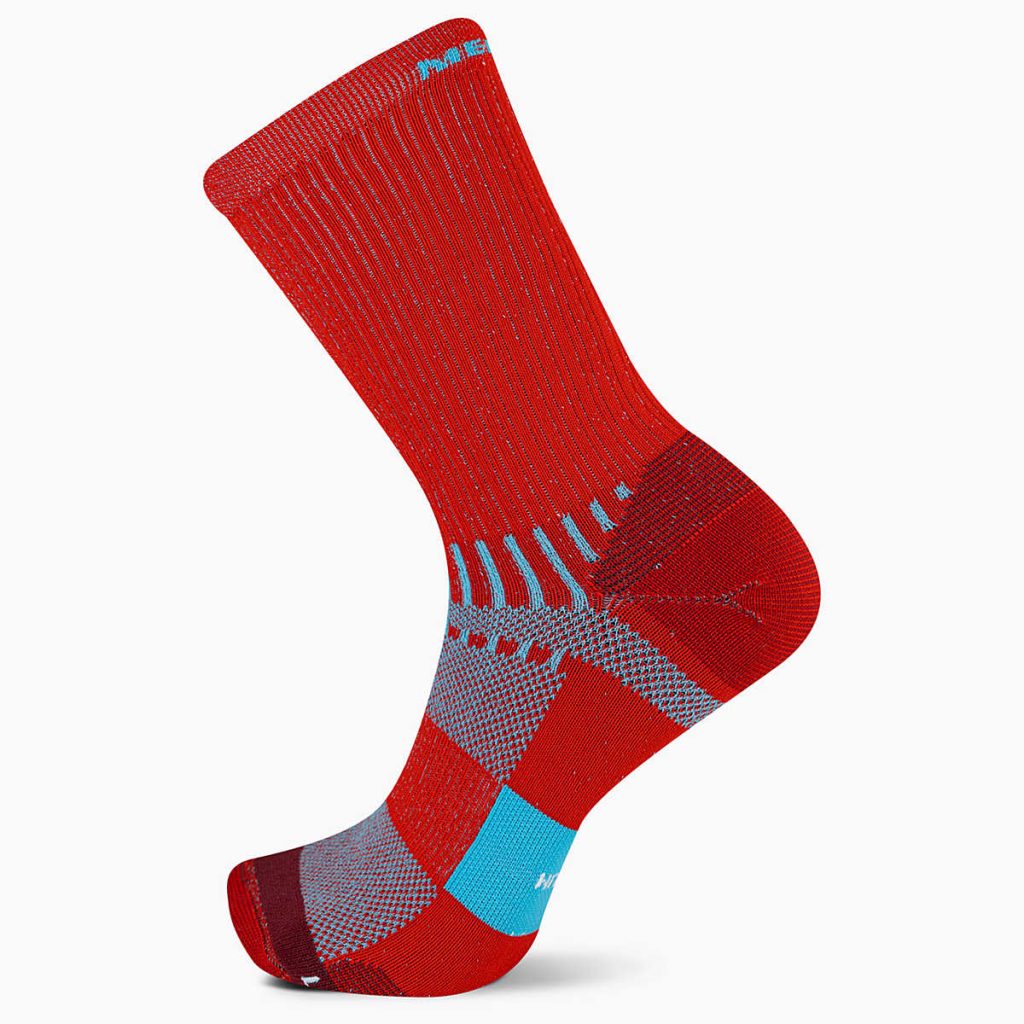
9. Hiking socks
You’ll need at least four pairs of long hiking socks, which are crucial for comfort and blister prevention.
- Recommended materials: merino wool or technical synthetic blends that wick moisture and protect your feet.
- Colors: basic and functional tones.
- Suggested brands: Merrell, especially their thermal models.
10. Underwear
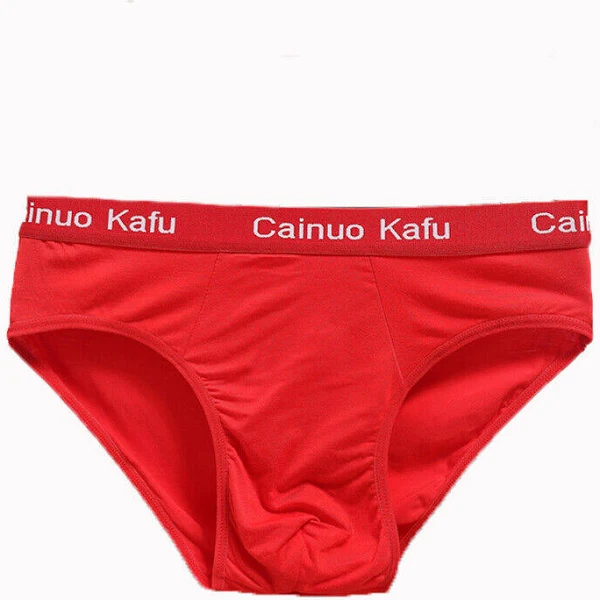
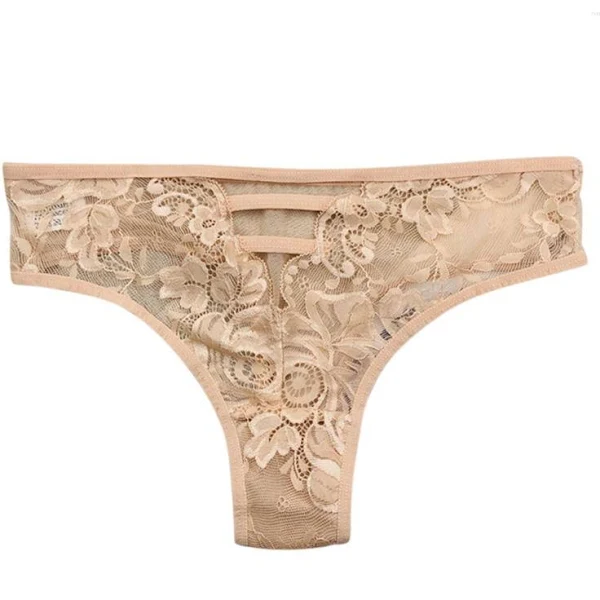
Pack at least four sets of underwear—one for each day on the trail.
- Recommended materials: synthetic or quick-drying fabrics.
- Design and brand: personal choice, prioritizing comfort and breathability.
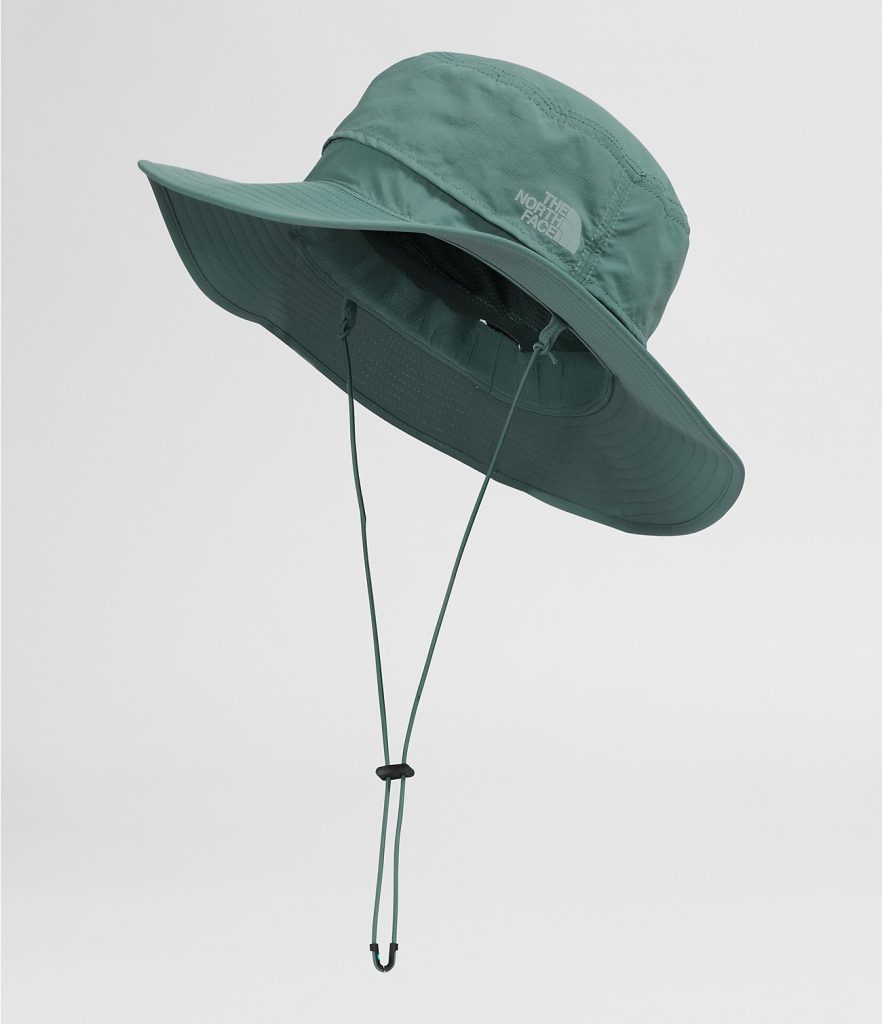
11. Sun hat or cap
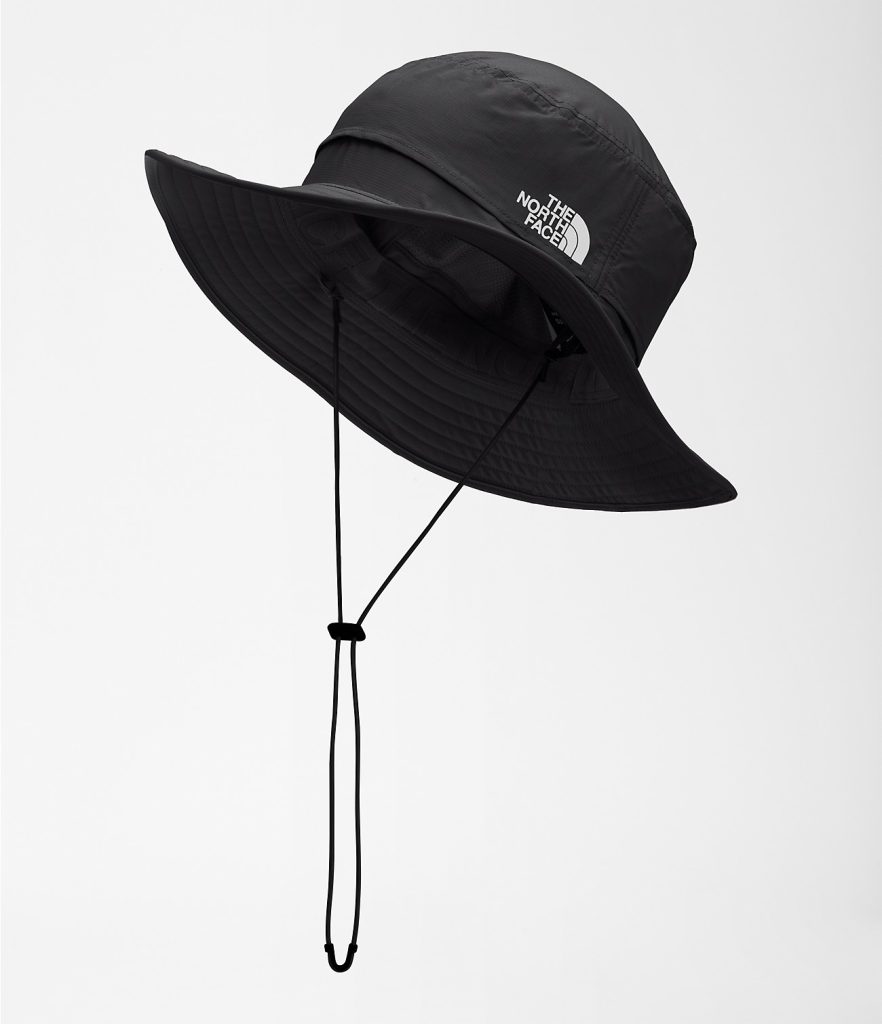
A hat or cap is key for protecting yourself from the sun and adapting to changing conditions throughout the day.
- Recommended materials: lightweight, breathable fabrics with sun protection.
- Colors and design: open choice, though lighter colors help reflect sunlight.
- Suggested brands: The North Face, Columbia, and Andean Gears.
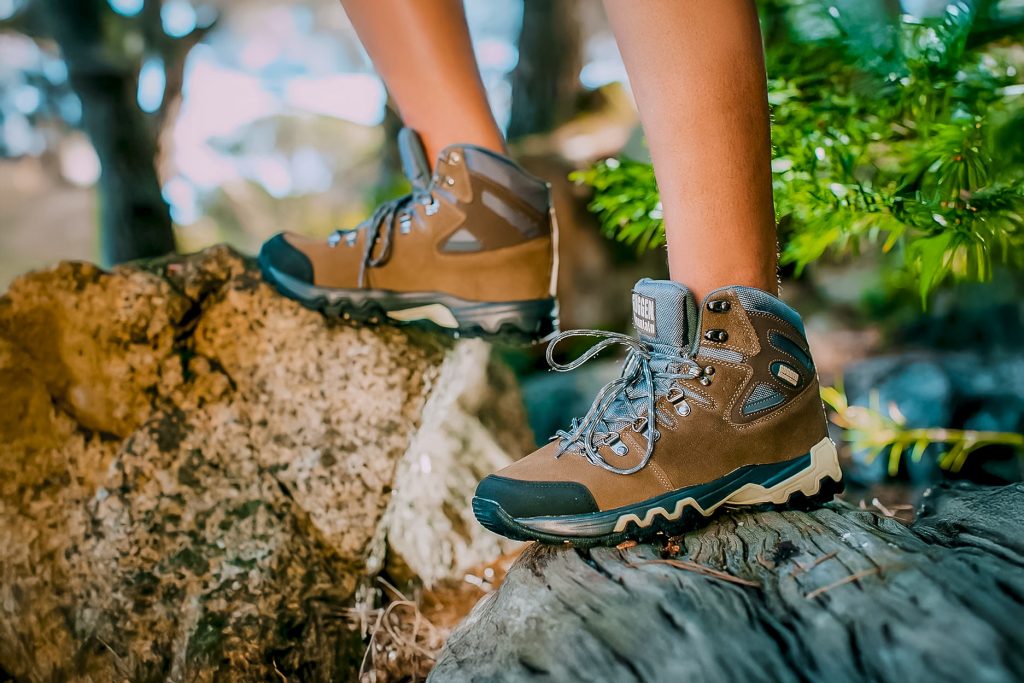
12. Hiking shoes
You’ll need reliable hiking shoes, as you’ll be hiking for several days over uneven terrain, including stone paths, stairways, and wet sections.
- Recommended materials: synthetic leather or technical mesh combined with waterproof or water-resistant membranes such as Gore-Tex or similar, which keep your feet dry without sacrificing breathability.
- Outsole: grippy soles (Vibram or other technical compounds) that provide traction on wet stone, dirt, and Inca steps.
- Fit and support: look for comfortable models with good ankle support and adequate cushioning for long hikes with a backpack.
- Colors: dark or neutral tones like black, gray, or brown, which hide dirt better and are easy to pair with the rest of your gear.
- Suggested brands: Salomon, Merrell, and The North Face, known for comfort, durability, and trail performance.
Outfit ideas and combinations
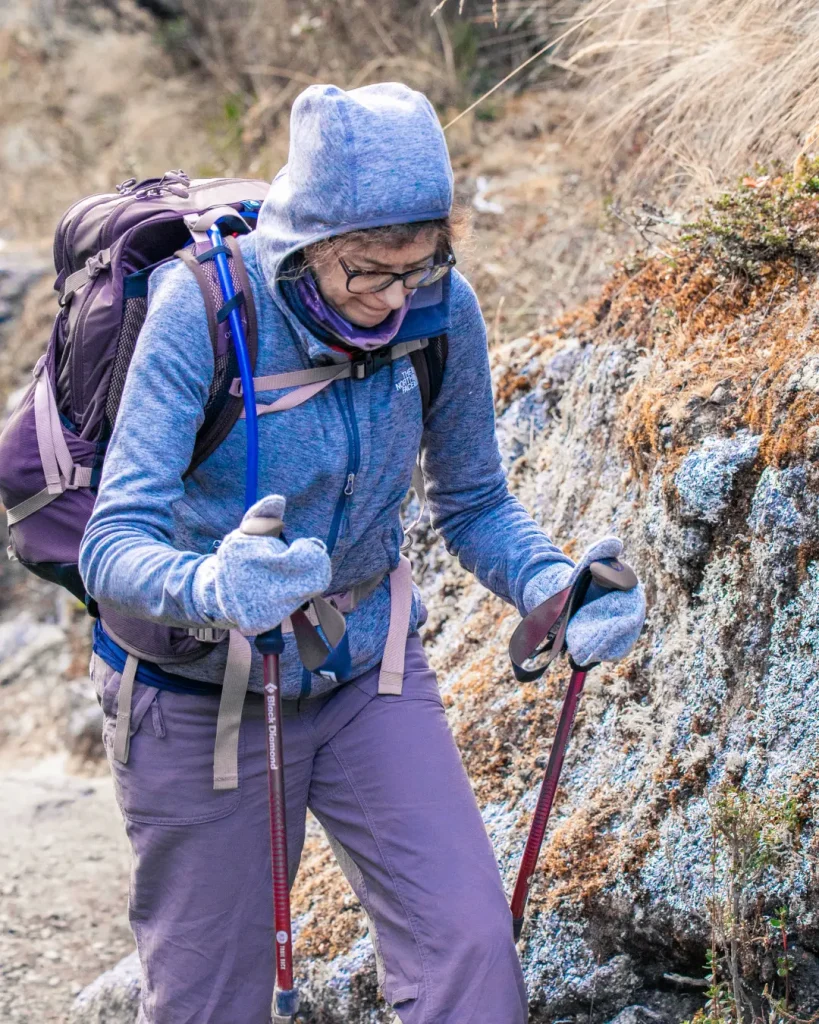
Outdoor fashion trends for 2026 lean toward pastel shades and earth tones—colors that have long accompanied explorers around the world. Brands like Columbia, Merrell, and The North Face continue to innovate in both design and color palettes, giving you more options to create outfits that are both functional and good-looking for this adventure.
Travel tip: If you want to review the complete list of equipment and accessories you will need for the Inca Trail, check out our updated packing list and make sure you have everything ready for the trek.
Final tips from someone who knows the trail
- Avoid cotton clothing—it doesn’t dry quickly and will make you uncomfortable on the hike.
- Don’t bring heavy jackets or pants; they add weight and restrict movement.
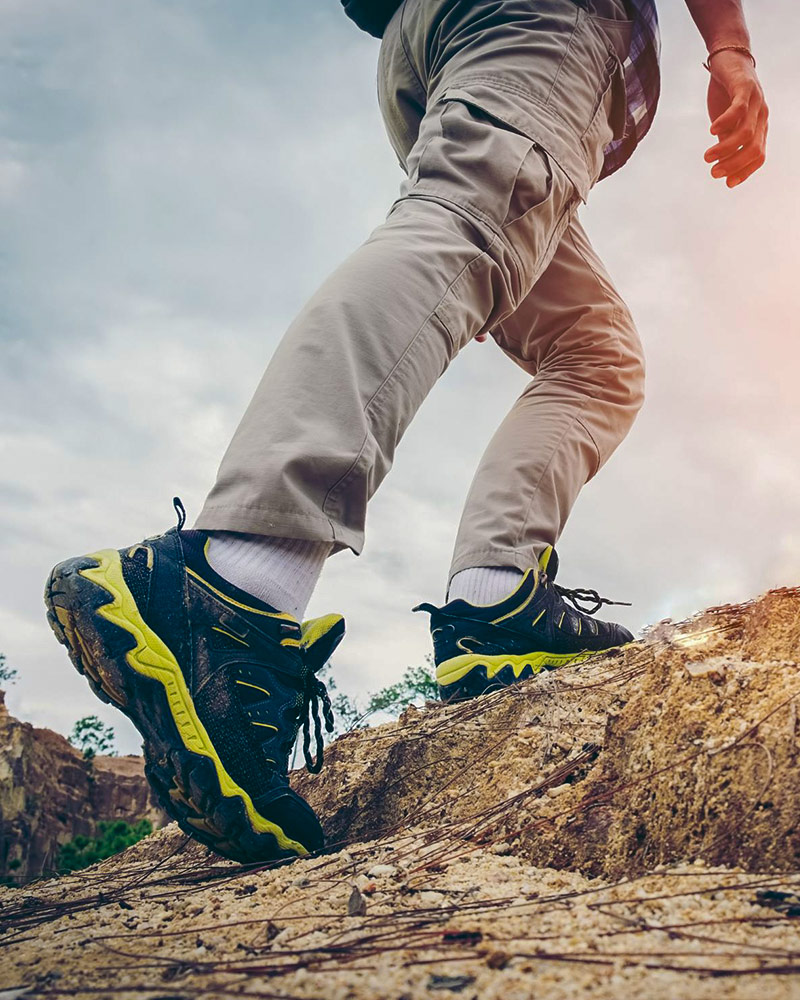
- Wear hiking shoes or boots with a solid grip and support; the terrain is uneven.
- Don’t break in new clothes or footwear on the Inca Trail—test everything beforehand to avoid chafing and blisters.
- Always carry a full change of dry underwear and socks.
- A bandana is a must-have: it protects against cold, sun, and moisture, and has many uses.
- Avoid overpacking; it’s a common mistake, especially among beginners.
- Test your socks with your boots before the trip to make sure they work well together.
- Store all clothing in waterproof bags, even during the dry season.
- Organize your backpack so frequently used items are easy to access.
Frequently asked questions
What shoes should I wear on the Inca Trail?
Wear hiking shoes or hiking boots with good traction and proper ankle support that you’ve already broken in. They should be comfortable, durable, and paired with quality hiking socks to help prevent blisters during the multiple days of hiking.
What should I wear on the Inca Trail during the rainy season?
Dress in layers and pack quick-drying shirts, a waterproof jacket, hiking pants, and extra socks. Avoid cotton, and store your clothing in waterproof bags to keep everything dry and comfortable throughout the hike.
What should I wear on the Inca Trail during the dry season?
Choose lightweight, breathable clothing, quick-drying shirts, hiking pants, and proper sun protection. Even with sunny weather, bring a windbreaker or light jacket for cold mornings and evenings at camp.
Conclusion
Preparing your clothing properly makes a huge difference on the Inca Trail. With the right layering system, appropriate footwear, and a well-organized backpack, you’ll be able to adapt to changing weather conditions and focus on what truly matters—enjoying the hike and the incredible landscapes along the way.
If you’re looking to experience this hike without complications, hiking with a team that knows the route well is key. At Salkantay Trekking, we offer personalized services to help you explore the Inca Trail safely, comfortably, and with the peace of mind that comes from being in good hands.



Leave A Reply