
The elevation of Cusco is one of the main concerns for travelers visiting this Andean city for the first time. Cusco sits at a considerable altitude, which can cause real physical effects on the human body if proper acclimatization is not carried out.
High altitude can trigger anything from mild fatigue to more intense symptoms known as altitude sickness. This risk especially affects people arriving in Cusco directly from sea-level cities. However, with clear information, proper adaptation time, and practical recommendations, these risks can be significantly reduced.
In this guide, you will find complete and verified information about Cusco’s elevation, how many meters above sea level it is located, how altitude affects the body, how many days are recommended for acclimatization, which symptoms you should recognize, available medical and natural remedies, and which activities are ideal during your first days.
This content is based on international medical recommendations, local mountain tourism experience, and protocols used in high-altitude destinations—so you can enjoy Cusco safely and responsibly.
Table of contents
- Cusco Elevation Explained Clearly
- Comparison with Other Destinations in Peru
- What Is Altitude Sickness (Soroche) in Cusco?
- How Many Days Are Needed to Acclimate to the Altitude in Cusco?
- How to Prevent Altitude Sickness in Cusco
- Natural and Medical Remedies for Altitude Sickness in Cusco
- The Importance of Proper Oxygenation at High Altitude
- Recommended Activities During Acclimatization in Cusco
- When to Seek Medical Attention in Cusco
- Treks and Tours by Altitude Level (After Acclimatization in Cusco)
- Frequently Asked Questions About Cusco Elevation
- Conclusion: Cusco Is Safe with Proper Preparation
Cusco Elevation Explained Clearly
The city of Cusco sits at 3,400 meters above sea level (11,155 feet). This altitude is the reason the body requires an adaptation period upon arrival.
Atmospheric pressure is lower at this elevation, which reduces the amount of oxygen available in each breath. As a result, the body must work harder to properly oxygenate tissues.
It is important to remember that starting at 2,500 meters above sea level (8,202 feet), the human body begins to experience physiological changes such as:
- Increased breathing rate
- Elevated heart rate
- Higher production of red blood cells

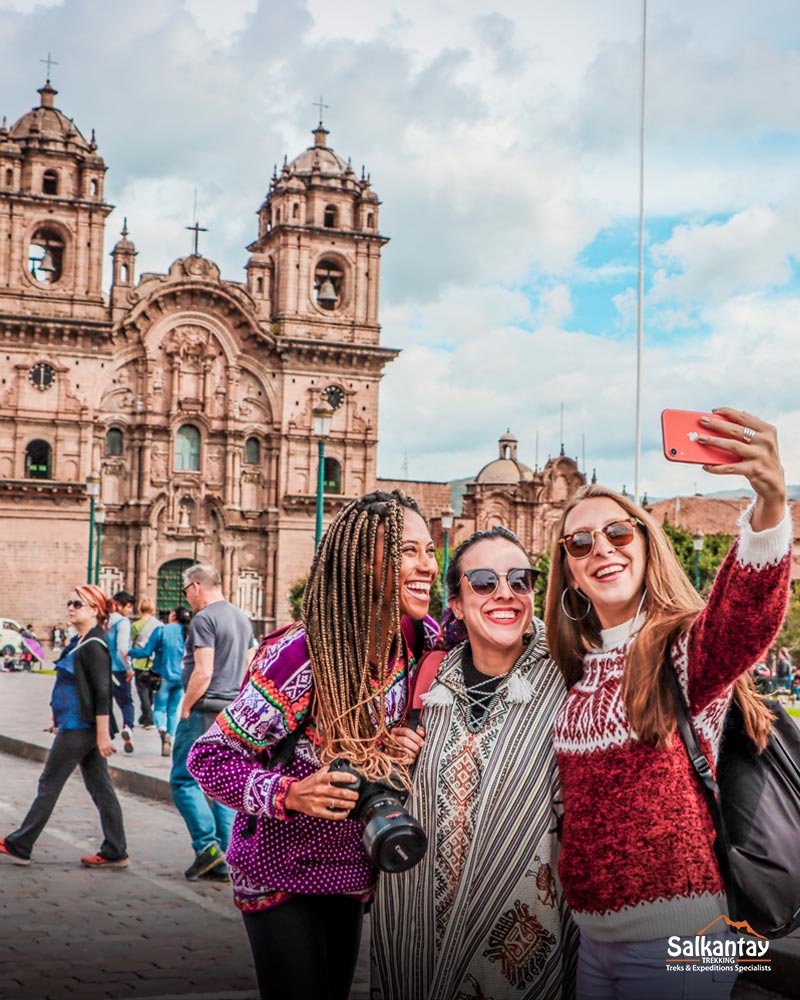
Comparison with Other Destinations in Peru
Understanding Cusco’s elevation becomes easier when compared to other major tourist destinations in Peru.
Elevation of Cusco
- Cusco: 3,400 masl (11,155 feet)
It is one of the most important tourist cities in Peru, which explains the importance of proper acclimatization before engaging in demanding activities.
Elevation of the Sacred Valley of the Incas
The Sacred Valley is located at a lower altitude, between 2,600 and 3,000 meters above sea level (8,530–9,842 feet), depending on the town:
- Urubamba: 2,871 meters (9,419 feet)
- Ollantaytambo: 2,792 meters (9,160 feet)
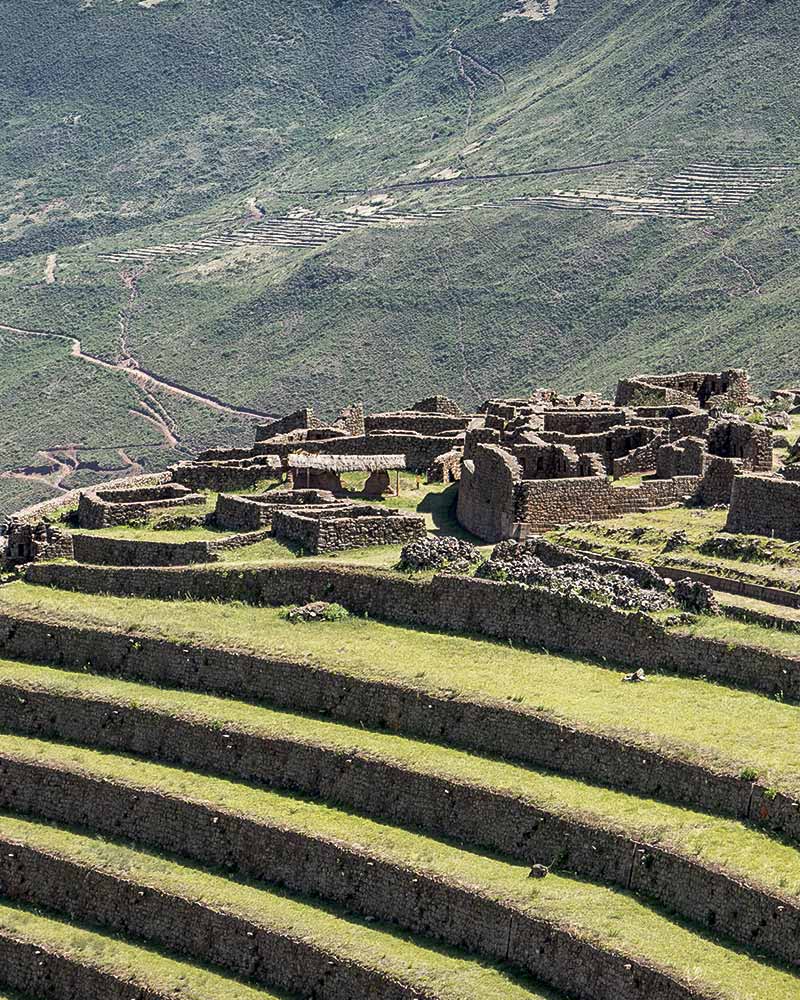
- Pisac: 2,972 meters (9,751 feet)
This difference makes the Sacred Valley an ideal place for gradual acclimatization, as recommended by mountain medicine specialists.
Important Note: Many travelers choose to arrive in the Sacred Valley first to begin their acclimatization process due to its lower elevation compared to Cusco.
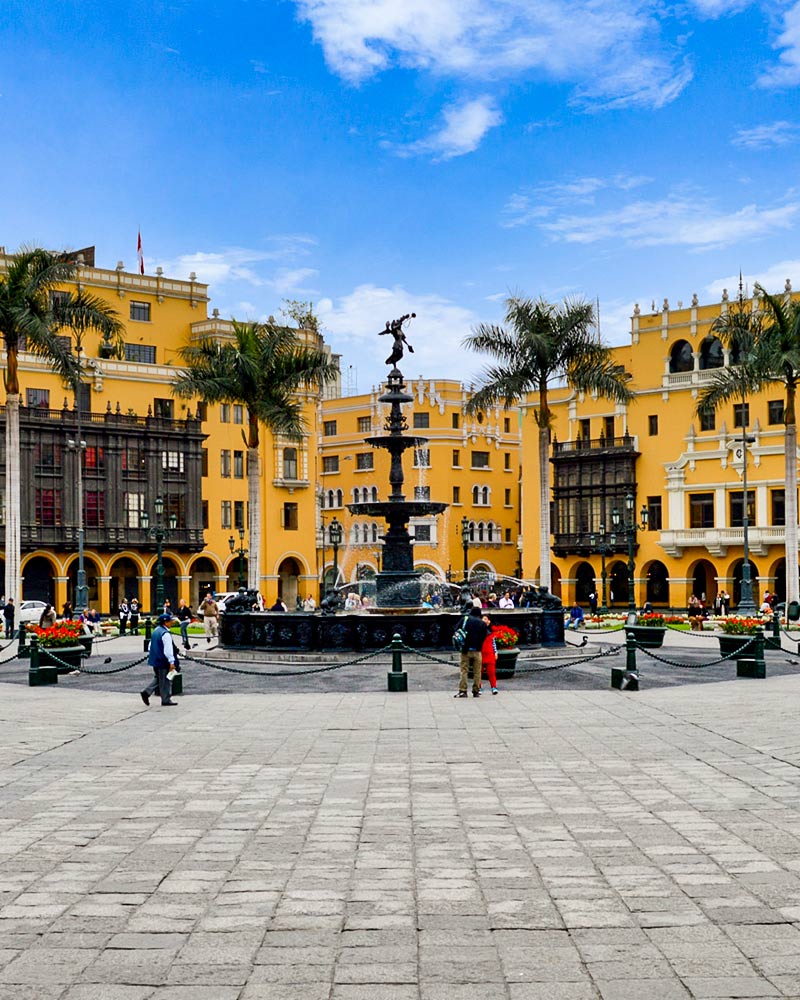
Elevation of Lima
- Lima: 101 meters above sea level (331 feet)
Traveling directly from Lima to Cusco involves a sudden altitude change, increasing the risk of altitude sickness during the first 24–48 hours.
| Destination | Elevation Above Sea Level | Impact on the Body |
| Lima | 101 m (331 ft) | No altitude-related effects |
| Urubamba | 2,600–3,000 m (8,530–9,842 ft) | Gradual and mild adjustment |
| Ollantaytambo | 2,792 m (9,160 ft) | Ideal for gradual acclimatization |
| Pisac | 2,972 m (9,751 ft) | Mild initial effects in sensitive individuals |
| Cusco | 3,400 m (11,155 ft) | Moderate risk of altitude sickness |
| Salkantay Pass | 4,630 m (15,190 ft) | High physical and respiratory demand |
| Vinicunca (Rainbow Mountain) | 5,100 m (16,732 ft) | High risk without prior acclimatization |
What Is Altitude Sickness (Soroche) in Cusco?
Altitude sickness in Cusco—also known locally as soroche—is a condition that occurs when the body has not had enough time to adapt to reduced oxygen levels at high elevations.
Not everyone experiences altitude sickness in the same way. Factors such as age, physical condition, speed of ascent, hydration, and rest directly influence how the body responds.
According to the Mayo Clinic and the CDC, altitude sickness may appear between 6 and 24 hours after ascending, especially when acclimatization time is not respected.
Most Common Symptoms of Altitude Sickness
- Persistent headache
- Nausea or vomiting
- Intense fatigue
- Dizziness
- Difficulty sleeping
- Shortness of breath
How Many Days Are Needed to Acclimate to the Altitude in Cusco?
One of the most common questions travelers ask is how many days are needed to acclimate to the altitude in Cusco. The answer depends on each person’s physical condition, previous high-altitude experience, and the type of activities planned.
Cusco sits at 3,400 meters (11,155 feet)—an altitude high enough to cause symptoms of altitude sickness if proper adaptation time is not respected.
1 Day in Cusco – What to Expect
Spending only one day in Cusco carries a real risk of experiencing altitude sickness symptoms, especially if you arrive directly from Lima or another sea-level city.
Real Risks:
- Persistent headache
- Extreme fatigue
- Shortness of breath
- Mild nausea
- Difficulty sleeping
When Can It Work?
One day may be sufficient only if:
- You avoid physically demanding activities
- You remain mostly at rest
- Your itinerary continues toward the Sacred Valley (lower altitude)
It is not recommended if you plan to do trekking routes, long hikes, or high-altitude tours.
2 Days in Cusco – Minimum Recommended
Two days is the minimum recommended time to acclimate responsibly to the altitude.
Ideal Activities During These Days:
- Cusco City Tour
- Gentle walks through the Historic Center
- Museums and local markets
- Short visits to viewpoints without prolonged effort
Physiological Benefits:
- Progressive improvement in oxygenation
- Gradual increase in red blood cell production, improving oxygen transport
- Significant reduction in altitude sickness symptoms
- Better adaptation of heart and respiratory rate
This timeframe allows the body to begin adapting to Cusco’s elevation above sea level, although it is still not ideal for demanding trekking routes.
3 Days or More – Ideal Before a Trek
If you are planning long trekking routes, it is ideal to allow 3 days or more for acclimatization in Cusco.
Recommended Before:
Real Risk Reduction:
- Lower probability of altitude sickness
- Better physical performance
- Faster recovery during trekking
- Reduced impact of exertion at high mountain passes
From the third day onward, the body responds much better to Cusco altitude—even during more physically demanding activities.
How to Prevent Altitude Sickness in Cusco
Beyond myths or generic advice, these are the proven methods that truly help with acclimatization at high altitude.
Take It Slow (The Golden Rule)
The most effective way to acclimate to the altitude in Cusco is to reduce your pace.
Key Recommendations:
- Short, slow walks
- Avoid climbing stairs quickly
- Take frequent breaks
- Do not push your body during the first days
Listening to your body is essential when staying at high altitude.
Hydration and Light Diet
Dehydration is one of the main factors that worsen altitude sickness.
What to Prioritize:
- Consistent water intake throughout the day
- Complex carbohydrates (quinoa, rice, fruits)
- Iron-rich foods (legumes, spinach, lean meats)
What to Avoid During the First Days:
- Alcohol
- Heavy or greasy meals
- Excess caffeine
Proper nutrition facilitates adaptation to Cusco elevation.
Sleep and Recovery
Sleeping at altitude can be challenging, especially during the first nights.
Tips to Improve Rest:
- Go to bed early
- Avoid physical exertion before sleeping
- Stay well hydrated
- Take short naps during the day
Nighttime rest allows the body to continue adapting to Cusco altitude—even while you sleep.
Natural and Medical Remedies for Altitude Sickness in Cusco
Altitude sickness in Cusco can present in mild or moderate forms in many travelers, especially during the first days.
The good news is that there are traditional natural remedies and evidence-based medical options that help relieve symptoms and support adaptation to the Cusco altitude.
Natural Remedies in Cusco
The Andes have developed natural solutions for coping with altitude for centuries. These traditional methods are still widely used today.
Coca Tea
Coca tea is one of the most well-known remedies for altitude sickness in Peru.
Benefits:
- Helps reduce headaches
- Supports oxygenation
- Decreases nausea and fatigue
- Facilitates initial adaptation to altitude
It is consumed as a hot infusion and is legal in Peru for traditional use. It should be taken in moderation and only during your stay at a high altitude.
Muña
Muña is an Andean plant commonly used for digestive and respiratory discomfort, both of which can occur during acclimatization.
Benefits:
- Relieves stomach discomfort
- Reduces heaviness
- Helps improve breathing at altitude
It is best consumed as a hot infusion, especially at night.
Andean Herbal Infusions
Other traditional infusions that support acclimatization include:
- Anise
- Chamomile
- Lemongrass
These infusions promote digestion, relaxation, and better rest—helping reduce anxiety associated with Cusco altitude.


Medical Options (When Necessary)
In some cases, natural remedies are not sufficient, and medical support may be required.
Acetazolamide (Diamox)
Acetazolamide is the most internationally used medication to prevent and treat altitude sickness.
How It Helps:
- Accelerates the acclimatization process
- Improves nighttime breathing
- Reduces symptom intensity
It is typically taken before arriving at a high altitude or during the first days. Medical consultation is recommended before use.
Ibuprofen
Ibuprofen does not prevent altitude sickness, but it can help control mild symptoms such as:
- Headache
- General discomfort
Use it as temporary support, but always in moderation.
Important: This content is for informational purposes only and does not replace medical advice. If you have pre-existing heart, lung, or blood pressure conditions—or experience severe symptoms—consult a healthcare professional before taking any medication.
The Importance of Proper Oxygenation at High Altitude
One of the most determining factors in altitude adaptation is oxygenation capacity. At higher elevations, atmospheric pressure decreases, meaning less oxygen is available with each breath.
This explains why many people experience altitude sickness—even if they are in good physical condition.
Proper oxygenation:
- Reduces fatigue
- Improves physical performance
- Decreases headaches
- Supports cardiovascular adaptation
- Reduces anxiety associated with shortness of breath
Beyond rest and hydration, conscious breathing can make a significant difference during your first days at Cusco’s elevation.
Breathing Techniques for High Altitude
Andean Deep Breathing
The so-called “Andean deep breathing” is not a formal medical technique, but it is based on recognized physiological principles: slow, controlled diaphragmatic breathing.
How to Practice It:
- Inhale slowly through your nose for 4 seconds.
- Fully fill your lungs while expanding your abdomen.
- Hold your breath for 2–3 seconds.
- Exhale gently through your mouth for 6 seconds.
- Repeat for 5 to 10 minutes.
Benefits at Altitude:
- Improves oxygen saturation
- Reduces heart rate
- Decreases the sensation of shortness of breath
- Helps control mild anxiety episodes
Try practicing this technique first thing in the morning, right before bed, or while taking easy walks around the city. It’s a great way to help your body naturally adjust to the altitude.
Yoga, Meditation, and Mindfulness at Altitude
At high elevation, stress can amplify physical symptoms. Tension and anxiety lead to shallow breathing, which further reduces oxygen intake.
Proven Benefits for Acclimatization
Various mountain medicine studies indicate that respiratory control and stress reduction:
- Improve ventilatory efficiency
- Optimize oxygen exchange
- Reduce perceived effort
- Promote better nighttime rest
Anxiety Reduction + Better Oxygenation
Practices such as:
- Gentle yoga
- Conscious stretching
- Guided meditation
- Mindfulness exercises
Help stabilize breathing and improve progressive adaptation to the environment.
These practices do not replace gradual acclimatization—but they complement it effectively.
Recommended Activities During Acclimatization in Cusco
During your first days at high altitude, the goal is not to remain inactive—but to choose activities that do not require excessive physical effort.
The key is maintaining gentle movement while your body adapts to the altitude of Cusco.
Low-Impact Activities
These options allow you to explore the city without increasing the risk of altitude sickness.
Cusco City Tour
A City Tour in Cusco is ideal for your first or second day. It includes organized and paced visits to historical sites without long or strenuous walks.
It allows for:
- Progressive adaptation
- Controlled pace
- Regular hydration opportunities
This type of activity supports acclimatization while still providing cultural immersion.
Historic Center of Cusco
Walking through the cobblestone streets around the Plaza de Armas allows gradual adaptation to Cusco’s elevation.
Recommendations:
- Avoid prolonged uphill climbs
- Take frequent breaks
- Walk at a slow and steady pace
Maintaining a relaxed rhythm is essential during your first 24–48 hours at altitude.


Museums
Museums are excellent allies during acclimatization because they:
- Do not require physical exertion
- Allow frequent pauses
- Keep you active without overloading your body
Recommended options include:
- Inka Museum
- Pre-Columbian Art Museum
- Regional History Museum
These indoor experiences allow your body to adjust to altitude while enriching your understanding of Andean history and culture.
Scenic and Cultural Experiences During Acclimatization
These activities allow you to enjoy the city while respecting the necessary process of altitude acclimatization in Cusco.
San Pedro Market
San Pedro Central Market offers an authentic cultural experience with minimal physical demand.
Benefits:
- Light walking
- Cultural interaction
- Access to hydration and fresh fruits
It is a practical and safe activity during your first days at high elevation.
Viewpoints (Miradores)
Some accessible viewpoints, such as:
- Cristo Blanco
- San Blas viewpoint
- Mirador de San Cristóbal
Can be reached by taxi to avoid excessive exertion, allowing you to enjoy panoramic views without overloading your body.
Plazas and Open Spaces
Plaza de Armas de Cusco and traditional plazas such as Plaza de Santiago or Plaza San Francisco allow you to:
- Rest
- Practice conscious breathing
- Observe local life
- Maintain gentle movement
These spaces are ideal for combining relaxation and progressive adaptation to altitude.

When to Seek Medical Attention in Cusco
While many travelers experience only mild symptoms from the high elevation in Cusco, complications can occasionally arise that necessitate immediate medical attention.
Knowing how to differentiate between normal adaptation symptoms and warning signs is essential for a safe experience.
Mild Symptoms vs. Severe Symptoms
During your first days in Cusco, it is relatively common to experience mild symptoms—especially if arriving directly from sea level.
Mild Symptoms (Normal Adaptation)
- Moderate headache
- Fatigue
- Mild dizziness
- Occasional nausea
- Difficulty sleeping
These symptoms typically improve with:
- Rest
- Proper hydration
- Light meals
- Reduced physical exertion
If they improve within 24–48 hours, they are generally part of the normal acclimatization process.
Severe Symptoms (Require Immediate Attention)
Some signs may indicate a more serious altitude-related condition:
- Shortness of breath even at rest
- Confusion or disorientation
- Chest pain
- Persistent cough with frothy mucus
- Continuous vomiting
- Loss of balance
- Loss of consciousness
These symptoms may be associated with severe forms of altitude illness.
Acute Mountain Sickness (AMS)
Acute Mountain Sickness (AMS) can develop when the body fails to adapt properly to altitude.
In rare cases, it may progress to:
- High-Altitude Pulmonary Edema (fluid accumulation in the lungs)
- High-Altitude Cerebral Edema (brain swelling)
According to international mountain medicine guidelines (CDC and UIAA), immediate treatment includes:
- Descent to a lower altitude
- Supplemental oxygen
- Urgent medical evaluation
Although these cases are not common at Cusco’s elevation, they may occur if symptoms are ignored or intense physical effort continues.
When Should You Visit a Clinic in Cusco?
You should seek medical care if:
- Symptoms do not improve after 48 hours
- The headache is severe and does not respond to pain relievers
- You experience persistent breathing difficulty
- You have pre-existing heart or lung conditions
- Symptoms worsen with exertion
Cusco has private clinics and hospitals that treat altitude-related emergencies, such as:
- Pardo Clinic
- Mac Salud Clinic
The rule is simple: if in doubt, seek medical evaluation. Your safety comes first.


Treks and Tours by Altitude Level (After Acclimatization in Cusco)
Once your body has properly adapted to the altitude of Cusco, it is time to explore more physically demanding routes. The general recommendation is to allow at least 3 days of acclimatization before attempting high-altitude trekking in Peru.
Below, we organize the main trekking routes according to altitude level and physical demand.
High-Altitude Treks in Cusco
These routes significantly exceed Cusco’s elevation (3,400 m / 11,155 ft) and require good physical condition and proper acclimatization.
Salkantay Trek
- Maximum altitude: approx. 4,630 meters (15,190 feet) – Salkantay Pass
- Level: Challenging
- Requires: Proper adaptation to high altitude
This is one of the most impressive trekking routes in the Andes, combining glaciers, high mountain passes, and cloud forest landscapes.
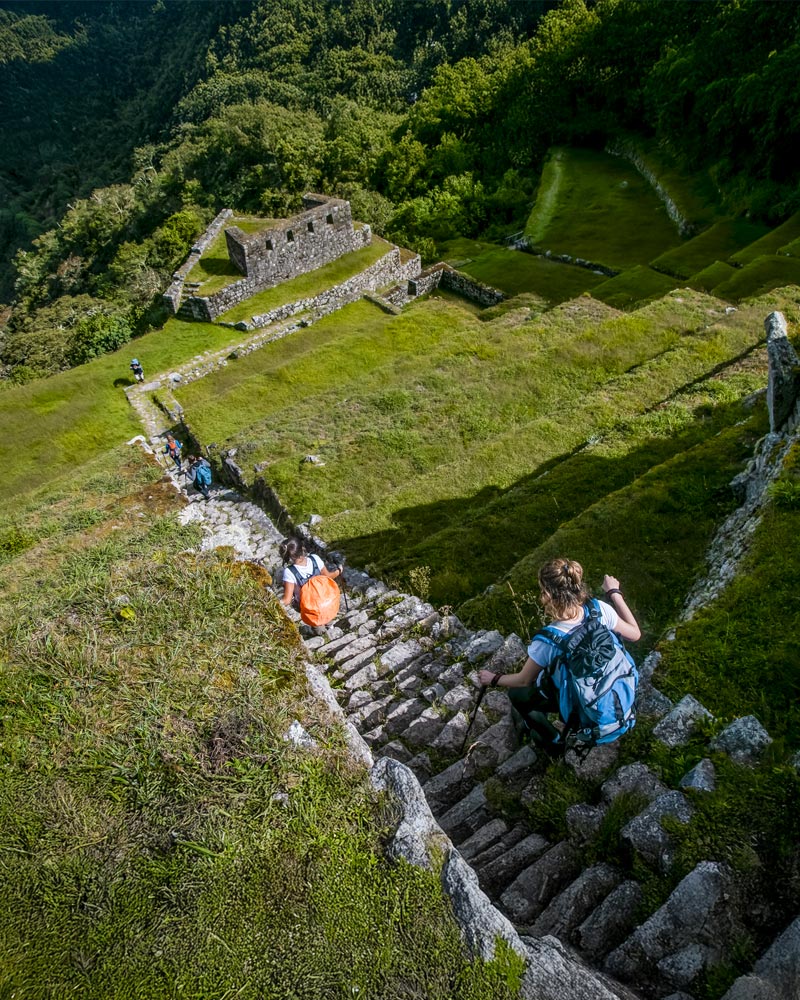
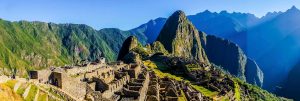
Inca Trail to Machu Picchu
- Maximum altitude: 4,215 meters (13,829 feet) – Warmiwañusca Pass
- Level: Moderate to Challenging
Although its highest point is lower than Salkantay Pass, the combination of steep Inca stone steps and high elevation requires proper acclimatization.
Without adequate preparation, fatigue and shortness of breath can intensify at this altitude.
Lares Trek
- Maximum altitude: 4,700 meters (15,420 feet) – Pachacutec Pass
- Level: Moderate
Ideal for travelers seeking cultural immersion and less crowded Andean landscapes. However, it remains demanding in terms of altitude and requires prior adaptation.
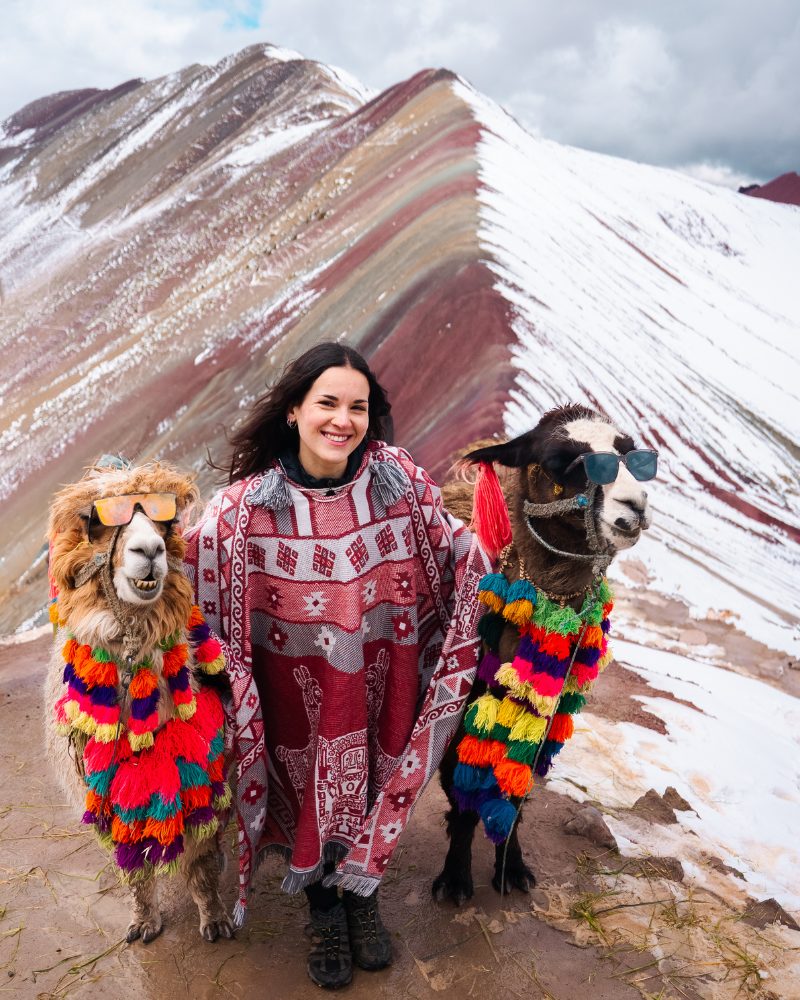
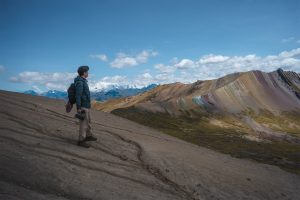
Rainbow Mountain (Vinicunca)
- Altitude: 5,100 meters (16,732 feet)
- Level: High altitude impact
This is a short but intense excursion. Without prior acclimatization to Cusco’s elevation, the risk of altitude sickness increases considerably.
At over 5,000 meters above sea level, oxygen levels are significantly lower than in Cusco.
Before Planning Your Trek in Cusco
Remember:
- Cusco’s altitude should never be underestimated.
- Minimum 2 days for moderate activities.
- Ideally, 3 days or more before routes above 4,000 meters (13,123 feet).
- Hydrate, rest, and listen to your body.
Proper acclimatization not only reduces risks but also improves your physical performance and overall mountain experience.
Plan Your Adventure Responsibly
Before booking your trek to Machu Picchu or any high-altitude route, make sure you have completed your acclimatization process in Cusco correctly.
Preparing properly means:
- Enjoying your trip more
- Achieving optimal physical performance
- Reducing health risks
- Increasing safety
Cusco is an extraordinary destination. With proper preparation, altitude becomes part of the experience—not an obstacle.
Frequently Asked Questions About Cusco Elevation
It is recommended to spend 2 days for basic acclimatization. However, if you plan to do treks such as the Salkantay Trek or the Inca Trail, 3 days or more is ideal.
This timeframe allows the body to progressively adapt to Cusco’s altitude, significantly reducing the risk of altitude sickness.
Cusco is located at 3,400 meters above sea level (11,155 feet). This elevation is high enough to cause physiological changes in the body, especially for travelers arriving from sea-level cities.
Cusco’s altitude is not dangerous if proper precautions are taken. Most travelers adapt without complications by following basic recommendations: rest during the first days, stay well hydrated, avoid intense physical effort and sleep adequately.
Severe altitude illness cases are uncommon at Cusco’s elevation, but can occur if important symptoms are ignored.
No. Not everyone experiences altitude sickness in Cusco. Some travelers only experience mild fatigue or a light headache, while others may not experience symptoms at all.
Factors such as speed of ascent, hydration, rest, and genetics influence how the body responds to altitude. It does not depend solely on age or physical condition.
es, often it is recommended to begin in the Sacred Valley. The Sacred Valley ranges between 2,600 and 3,000 meters above sea level (8,530–9,842 feet), lower than Cusco’s elevation, allowing more progressive adaptation.
Many strategic itineraries suggest: arrive in Cusco, transfer immediately to the Sacred Valley, spend 1–2 nights there and return to Cusco, partially acclimatized
This significantly reduces the risk of altitude sickness.
The body begins adapting within the first 24 hours. However, partial acclimatization usually takes 2–3 days at elevations like Cusco. Full adaptation may take longer depending on the individual and the altitude reached.
Conclusion: Cusco Is Safe with Proper Preparation
Cusco’s elevation is a real factor that should not be ignored—but it should not cause excessive fear either. With proper information, adequate acclimatization time, and responsible decisions, your experience can be completely safe and rewarding.
The key is to:
- Respect your body’s rhythm
- Plan intelligently
- Do not underestimate altitude
- Acclimate before attempting high-altitude treks
Cusco is a fascinating city, filled with history, culture, and unique landscapes. Altitude is part of its Andean identity—and with the right preparation, it becomes part of the adventure.
Acclimate properly, take care of your health, and then get ready to explore routes like the Inca Trail, Salkantay, or the Sacred Valley with confidence.

Leave A Reply