Peru’s Sernanp is offering free admission to domestic and international tourists through the end of the year.
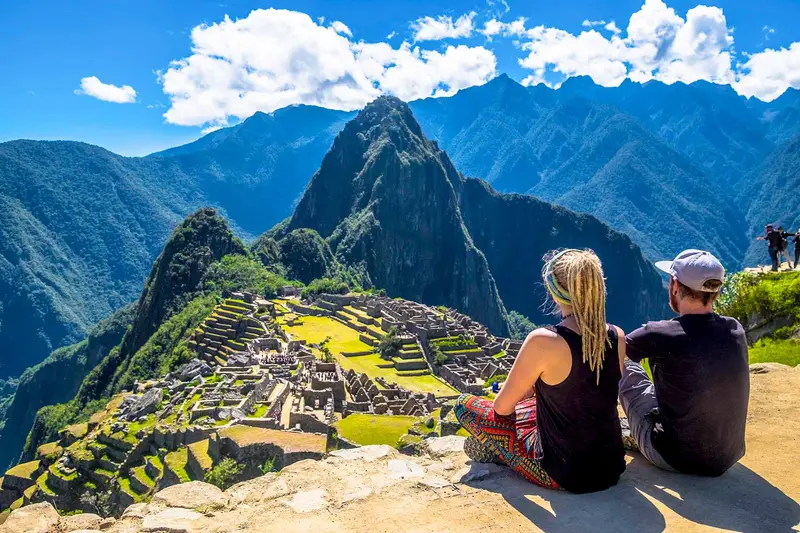
Good news for adventure lovers! To promote tourism, Peru’s National Service of Protected Natural Areas (Sernanp) has granted free admission to domestic and international tourists at the Historic Sanctuary of Machu Picchu through December 31 of this year.
The measure, published on November 14 in the Legal Regulations section of El Peruano, Peru’s official gazette, was approved through Head Office Resolution No. 000017-2026-SERNANP/SHMPI and sets a promotional admission rate of zero for this popular tourist destination.
Before the resolution was published, visitors had to pay the following fees to enter the Historic Sanctuary of Machu Picchu:
| Visitor type | Age | Admission fee |
|---|---|---|
| Foreign visitors | 18 and older | S/ 11.00 (about US$3.20) |
| Foreign visitors | 3 to 17 years | S/ 5.00 (about US$1.50) |
| Foreign visitors | Under 3 | S/ 0.00 (free) |
| Domestic and local visitors | 18 and older | S/ 5.00 (about US$1.50) |
| Domestic and local visitors | 3 to 17 years | S/ 3.00 (about US$0.90) |
*US$ amounts are approximate, based on an exchange rate of S/ 3.42 per dollar as of November 2026.
Under the new measure, local and foreign visitors alike can enter the protected natural area at no cost. Please note that free admission does not include the Machu Picchu citadel, which still requires an entrance fee.
Table of contents
What Places Does Free Admission Cover?
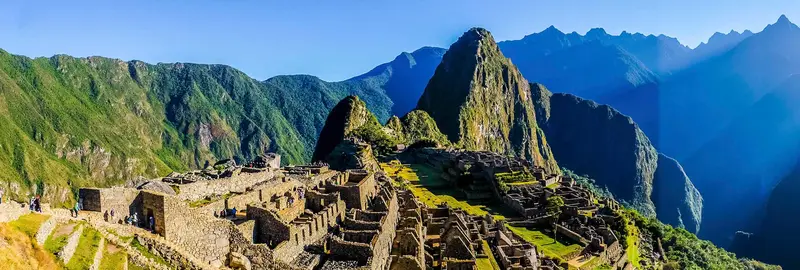
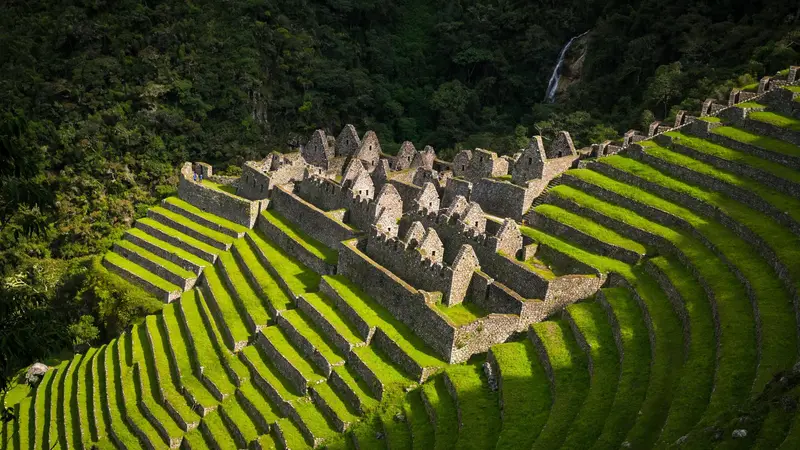
The Historic Sanctuary of Machu Picchu is a protected natural area located in the province of Urubamba, in Cusco. It covers 32,592 hectares (about 80,540 acres) and, in addition to its impressive archaeological wonder, is home to numerous Inca sites such as Inca Raq’ay, Intiwatana, Intipata, Choquesuysuy, Chachabamba, Wiñaywayna, Phuyupatamarca, Sayacmarka, Runkurakay, Wayllabamba, Torontoy, Waynaq’ente, Machuqente, Q’ente, Qoriwayrachina, Pulpituyoc, Patallacta, and Palccay.
Beyond its archaeological importance, the sanctuary stands out for its natural wealth, with forests, rugged mountains, and snow-capped peaks. It lies in the so-called “cloud forest edge” (ceja de selva), an area where the Andean and Amazonian regions meet, and it is home to a wide variety of plant and animal species.
Animals found in the Historic Sanctuary of Machu Picchu include the torrent duck, the mountain viscacha, the coati, the white-tailed deer, the Andean fox, the puma, the Andean cock-of-the-rock, the spectacled bear, the Andean condor, and the neotropical otter.
The sanctuary also harbors 340 orchid species, one of the most prized plants for their ornamental value. According to Sernanp, that equals about 20% of the 1,700 species identified in Peru.
How Much Will Admission to the Historic Sanctuary of Machu Picchu Cost in 2027?
According to Head Office Resolution No. 000017-2026-SERNANP/SHMPI, fees from January 1 to December 31, 2027, will be as follows:
| Visitor type | Age | Admission fee |
|---|---|---|
| Foreign visitors | 18 and older | S/ 11.00 (about US$3.20) |
| Foreign visitors | 3 to 17 years | S/ 5.00 (about US$1.50) |
| Foreign visitors from Colombia, Ecuador, and Bolivia | 18 and older | S/ 5.00 (about US$1.50) |
| Foreign visitors from Colombia, Ecuador, and Bolivia | 3 to 17 years | S/ 3.00 (about US$0.90) |
| Domestic visitors, foreign residents, and local residents | 18 to 65 years | S/ 5.00 (about US$1.50) |
| Domestic visitors, foreign residents, and local residents | 5 to 17 years | S/ 3.00 (about US$0.90) |
*US$ amounts are approximate, based on an exchange rate of S/ 3.42 per dollar as of November 2026.
Additionally, local residents of Cusco can enter for free every Sunday in 2027. This also applies to foreign visitors under 3 and to duly accredited war veterans and veterans of the national pacification effort.
With these measures, Sernanp aims to promote tourism in the area and highlight its significant natural and archaeological wealth. Dare to discover the wonders Peru has to offer with Salkantay Trekking.